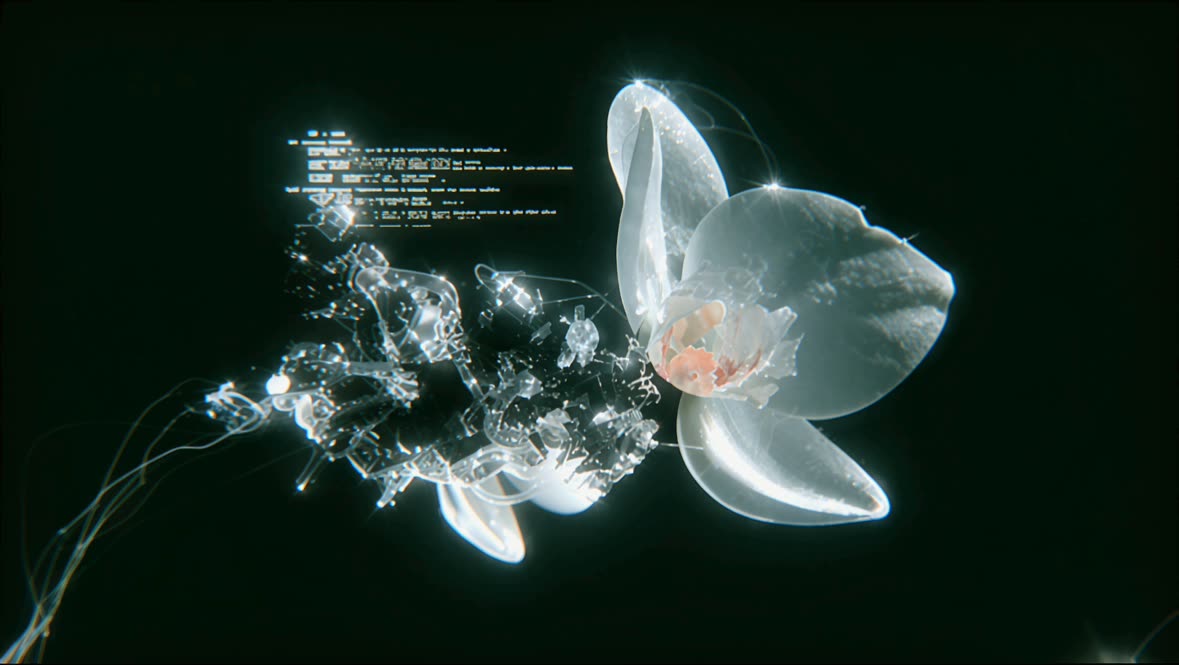
The OmniGen2 Text to Image workflow leverages the power of the OmniGen2's unified 7B multimodal model to transform text prompts into high-quality images. This workflow is designed to seamlessly interpret textual descriptions and generate visually compelling images that align with the given prompts. At the core of this workflow is the dual-path architecture of OmniGen2, which allows for efficient processing of both text and image data, ensuring that the generated images are not only accurate but also aesthetically pleasing.
Technically, this workflow utilizes several key nodes, including the SaveImage node for storing the generated images, and the MarkdownNote node for embedding notes or instructions within the workflow. Additionally, the node identified by the ID 4b17d220-4312-4981-9eae-9a76bf3b6ec9 plays a crucial role in the image generation process, likely serving as a processing or transformation step. This workflow is particularly useful for artists, designers, and content creators who need to quickly generate visual content from textual ideas, offering a streamlined process from concept to creation.
API
從程式碼使用此工作流
每個 Comfy 工作流都是一個 JSON 圖。下方的 payload 就是此工作流,與 ComfyUI 執行時完全相同 — 你可以從此 URL 取得、放入版本控制,或在 ComfyUI 載入並逐節點執行。
使用 Comfy SDK 以 TypeScript 或 Python 執行。相同程式碼可用於 Comfy Cloud 或你自架的 ComfyUI — 只需更改 base URL。
// Install (beta)
npm i @comfyorg/sdk

// Run "OmniGen2: 文生圖" (TypeScript)
import { Comfy } from "@comfyorg/sdk";

const client = new Comfy({ apiKey: "comfyui-..." });

// This workflow, exported in API format (see note below)
const wf = await client.workflows.fromFile("image_omnigen2_t2i_api.json");

const job = await client.run(wf);
await job.getOutputs("9")[0].toFile("output.png");  // SaveImage
SDK 需使用 API 格式的工作流:請在 ComfyUI 開啟此工作流,並使用 檔案 → 匯出工作流(API)。
常見問題