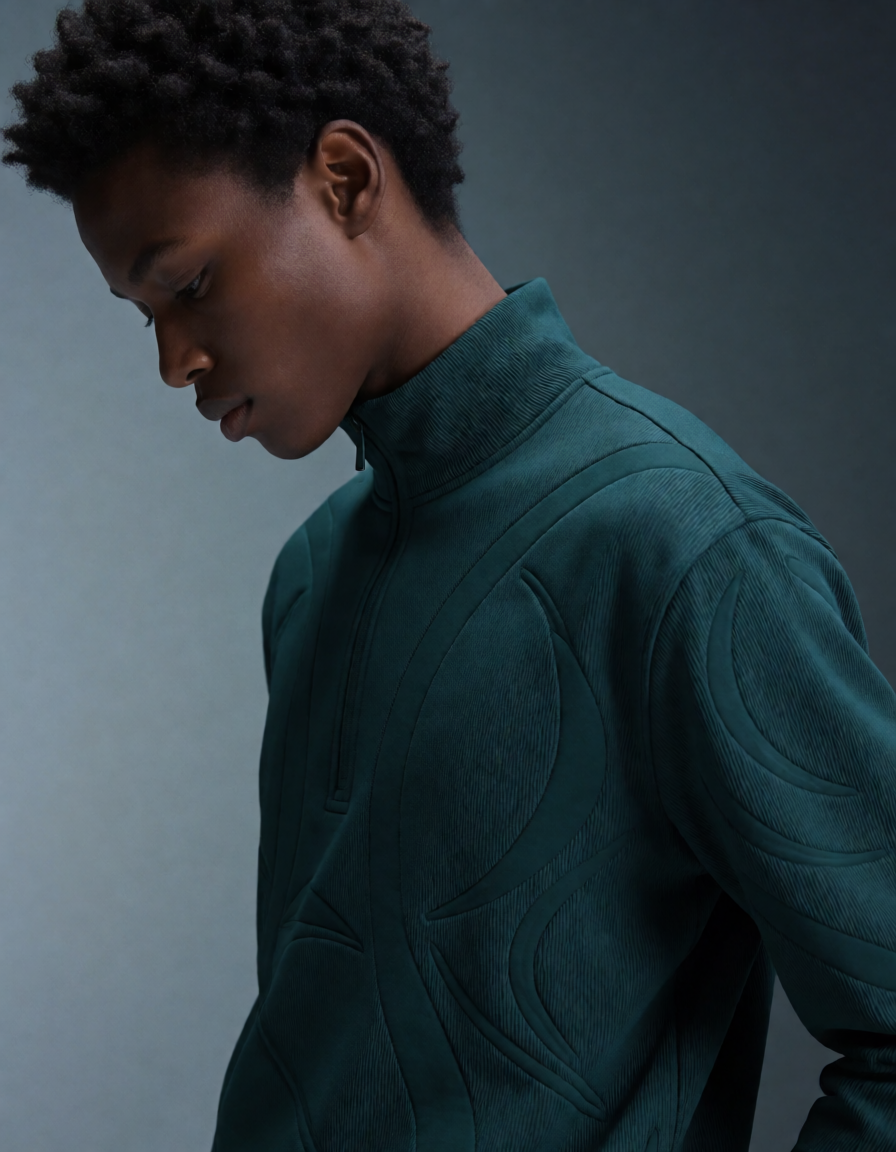
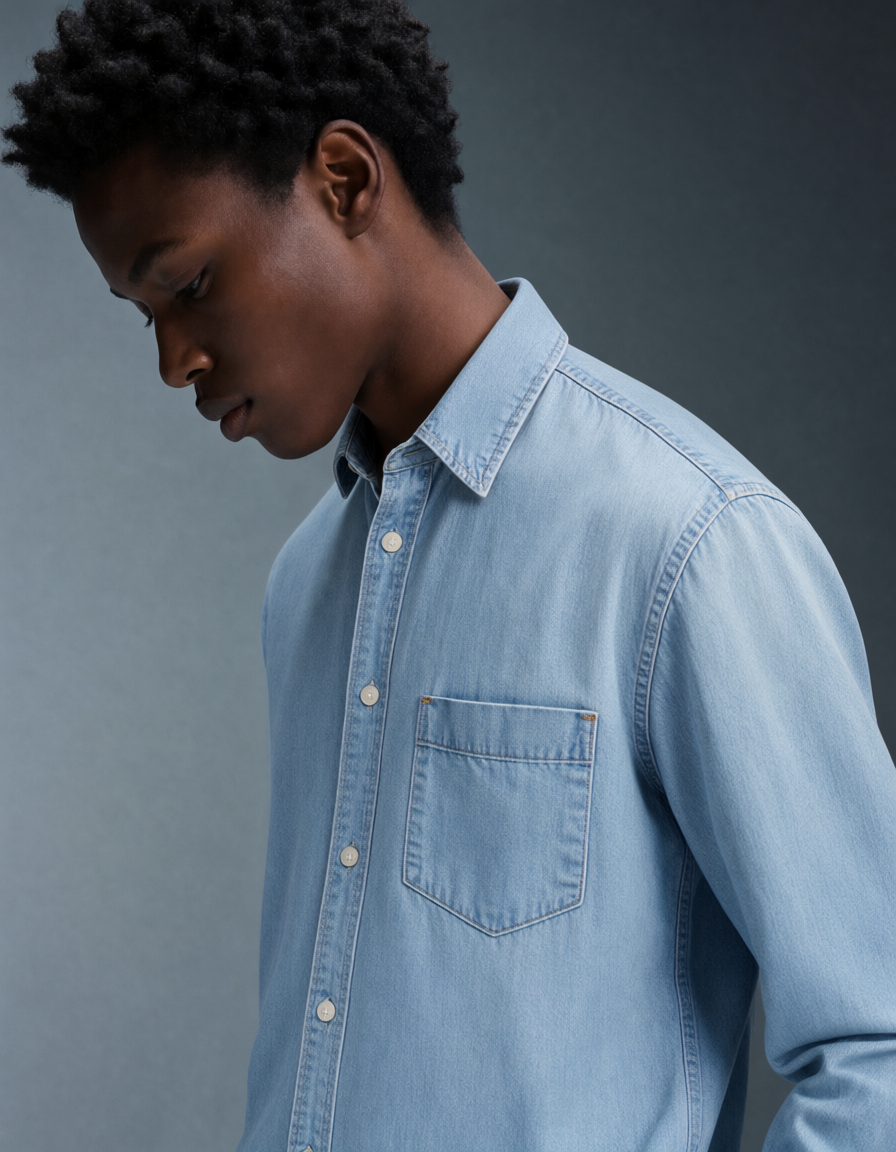
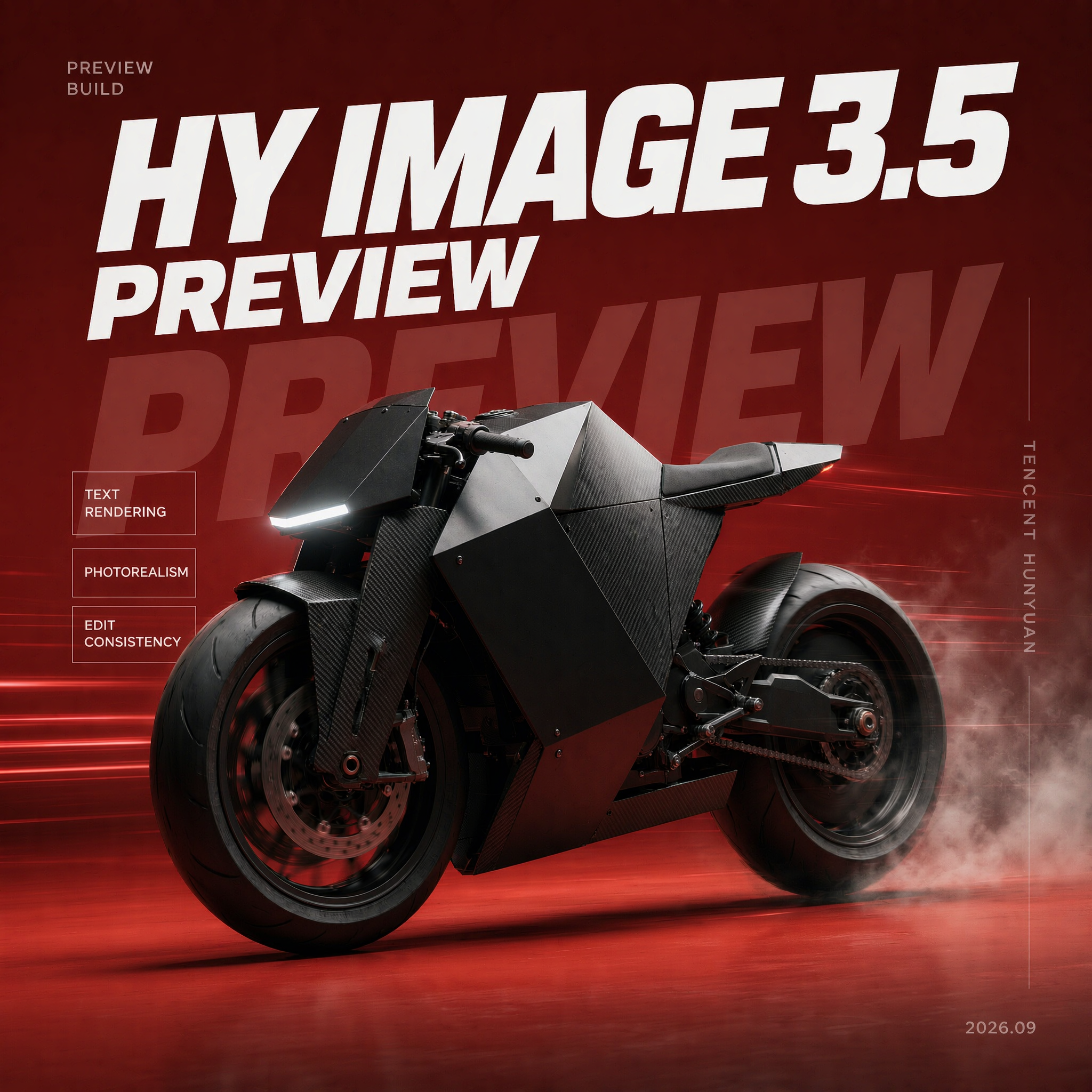
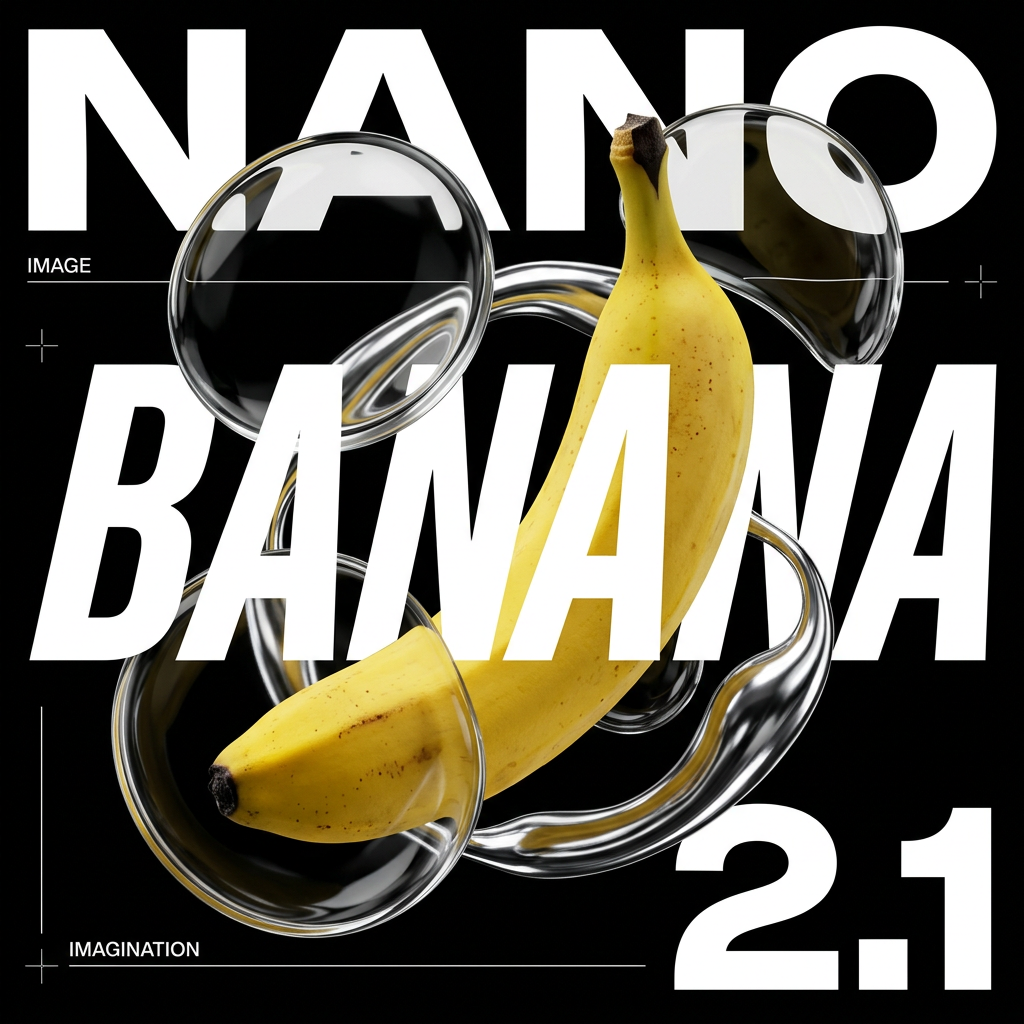
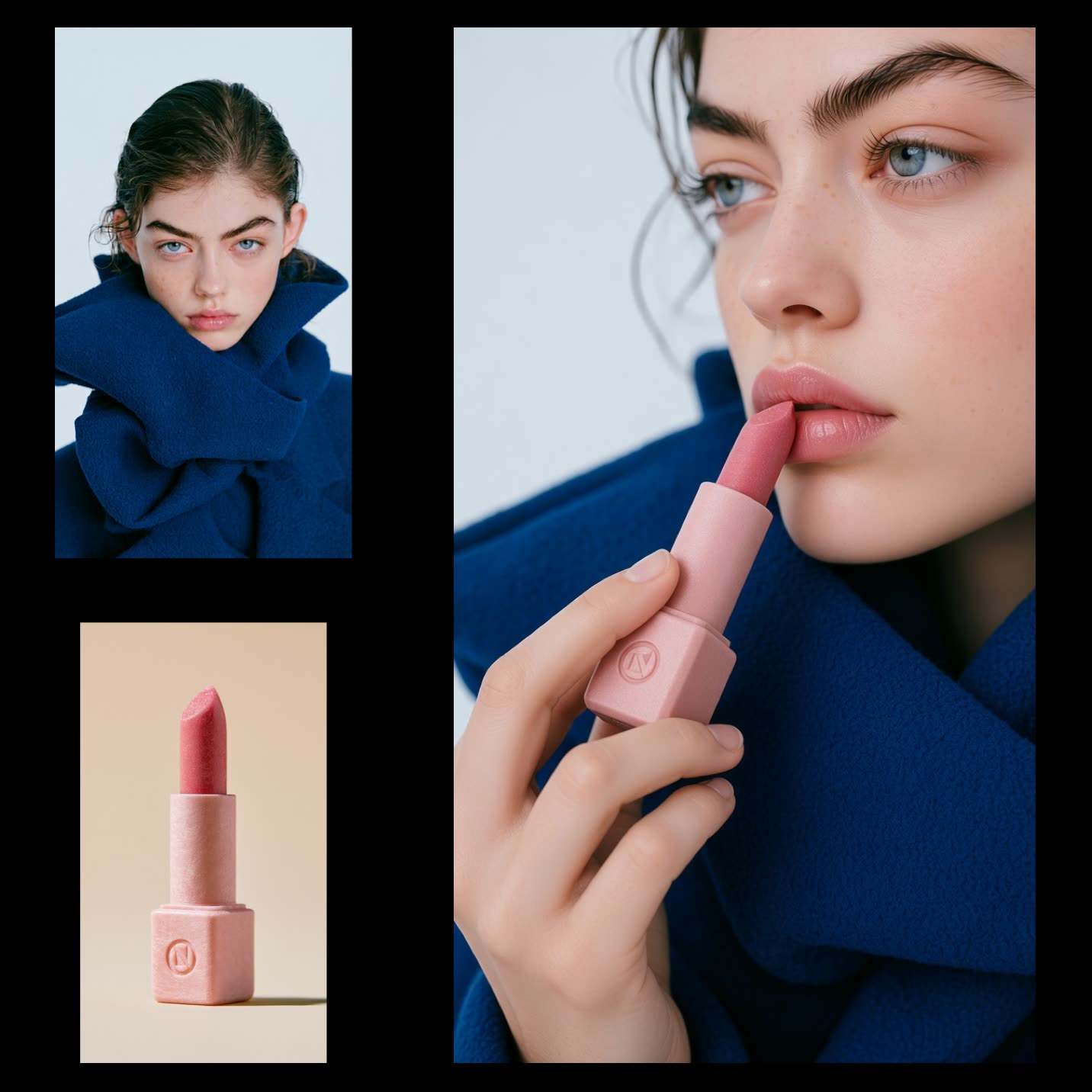
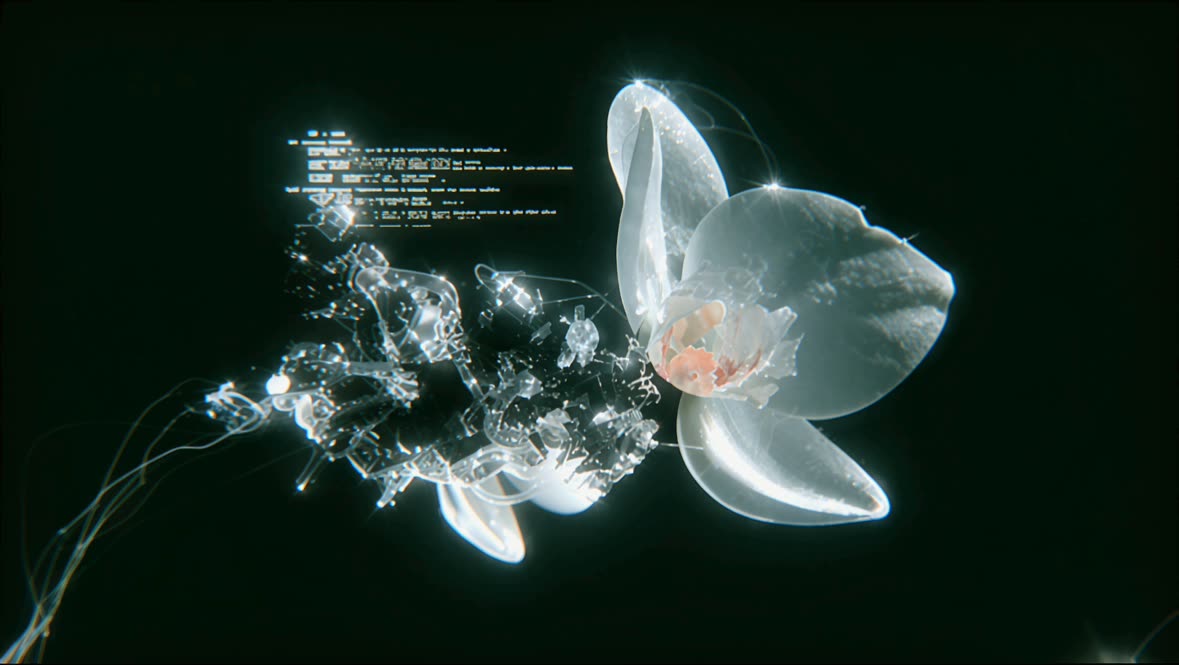
يستفيد هذا سير العمل في ComfyUI من نموذج Qwen-Image لتوليد صور مع إمكانات متقدمة لعرض النصوص متعددة اللغات وتعديلها. في قلب هذا سير العمل يوجد نموذج 20B MMDiT المعروف بقدرته على التعامل مع مهام تحويل النص إلى صورة المعقدة عبر لغات متعددة. يدمج سير العمل عُقَدًا محددة مثل SaveImage وMarkdownNote لتسهيل عملية توليد الصور عالية الجودة وحفظها. تُعد عقدة e5cfe5ba-2ae0-4bc4-869f-ab2228cb44d3 محورية في إدارة تدفق البيانات وضمان التقاط مخرجات النموذج بدقة وتخزينها. هذا الإعداد مفيد خصوصًا للتطبيقات التي تتطلب دمجًا دقيقًا للنص داخل الصور، مثل الإعلانات متعددة اللغات أو إنشاء المحتوى التعليمي.
API
استخدم سير العمل هذا من الكود
كل سير عمل في Comfy هو رسم بياني بصيغة JSON. الحمولة أدناه هي هذا سير العمل بالضبط كما يشغله ComfyUI — يمكنك جلبه من الرابط، حفظه في نظام التحكم بالإصدارات، أو تحميله في ComfyUI وتشغيله عقدة تلو الأخرى.
شغّله من TypeScript أو Python باستخدام Comfy SDK. نفس الكود يعمل على Comfy Cloud أو ComfyUI الذي تستضيفه بنفسك — فقط عنوان URL الأساسي يتغير.
// Install (beta)
npm i @comfyorg/sdk

// Run "تشي وين-صورة: نص إلى صورة" (TypeScript)
import { Comfy } from "@comfyorg/sdk";

const client = new Comfy({ apiKey: "comfyui-..." });

// This workflow, exported in API format (see note below)
const wf = await client.workflows.fromFile("image_qwen_image_api.json");

const job = await client.run(wf);
await job.getOutputs("60")[0].toFile("output.png");  // SaveImage
يأخذ SDK سير العمل بصيغة API: افتح هذا سير العمل في ComfyUI واستخدم ملف → تصدير سير العمل (API).
يتطلب الوصول إلى Comfy Cloud API خطة تتضمن مفتاح API.
الأسئلة الشائعة