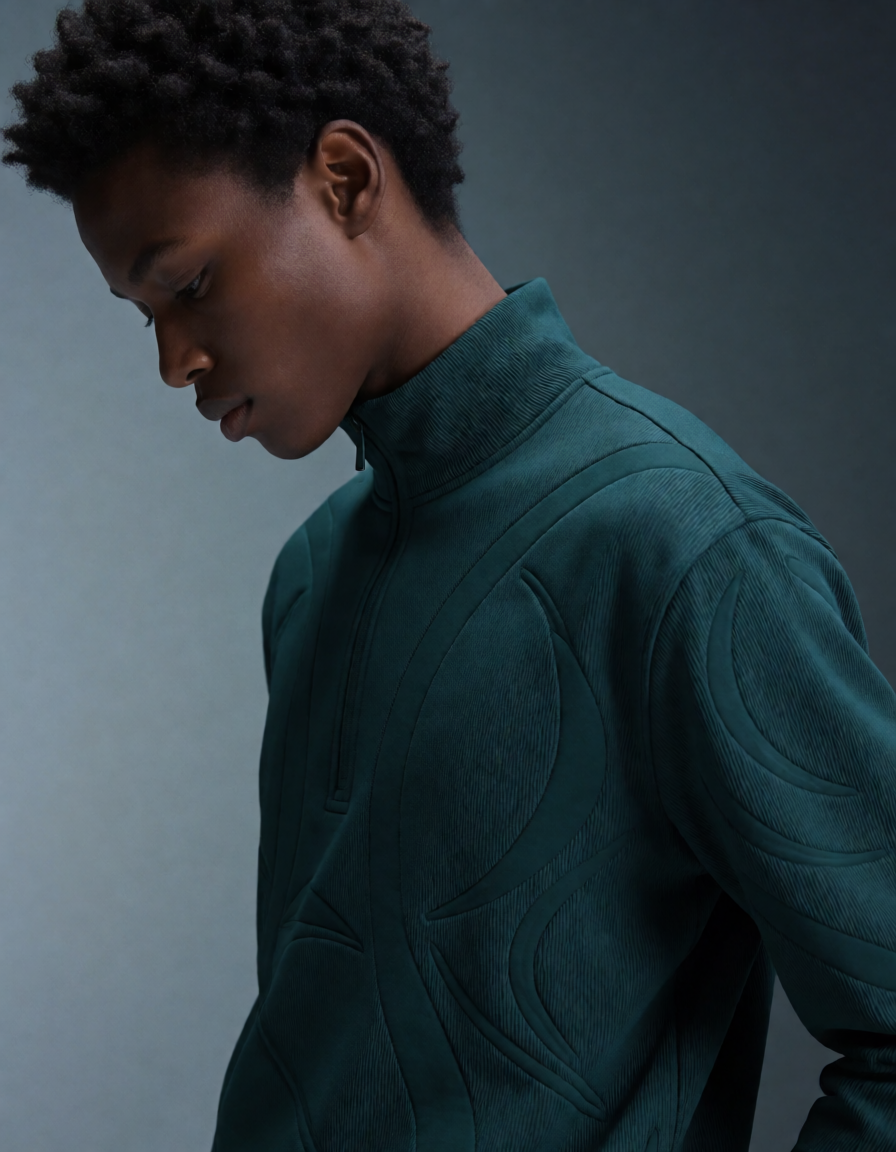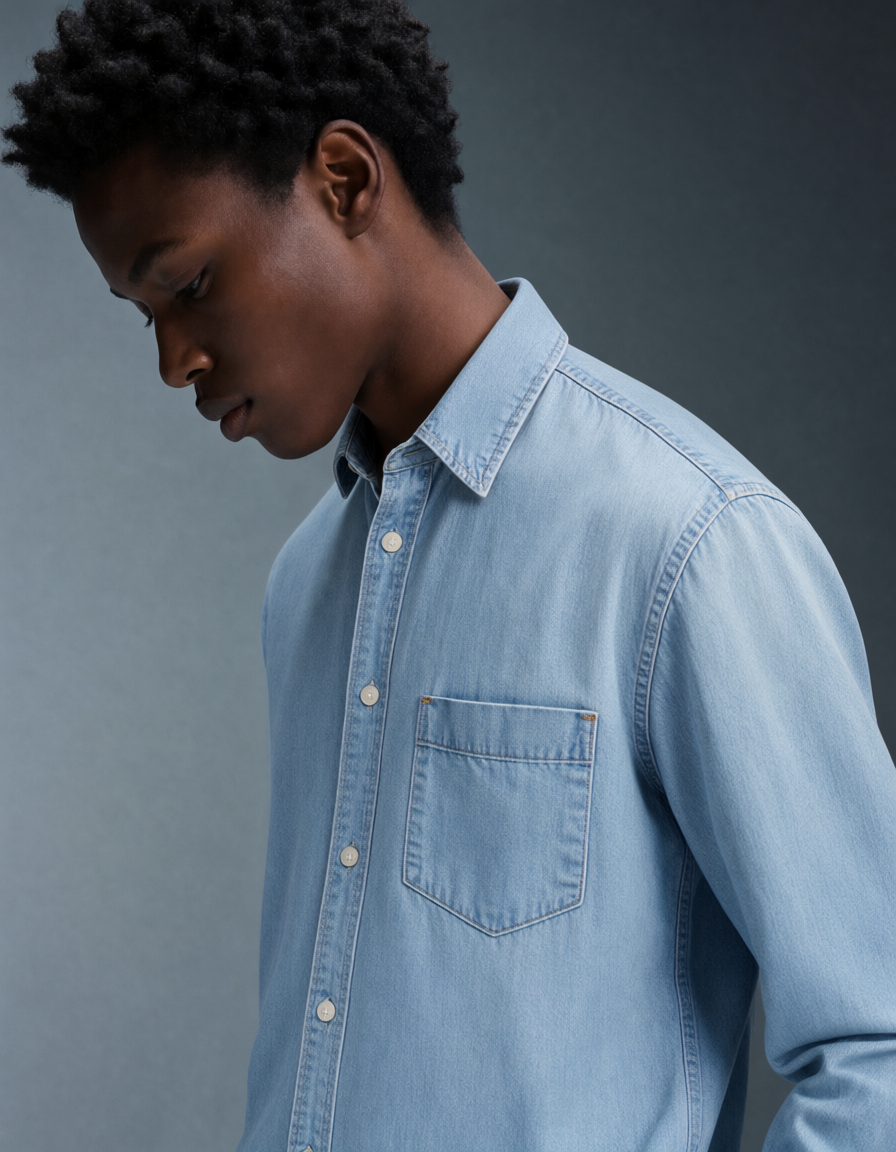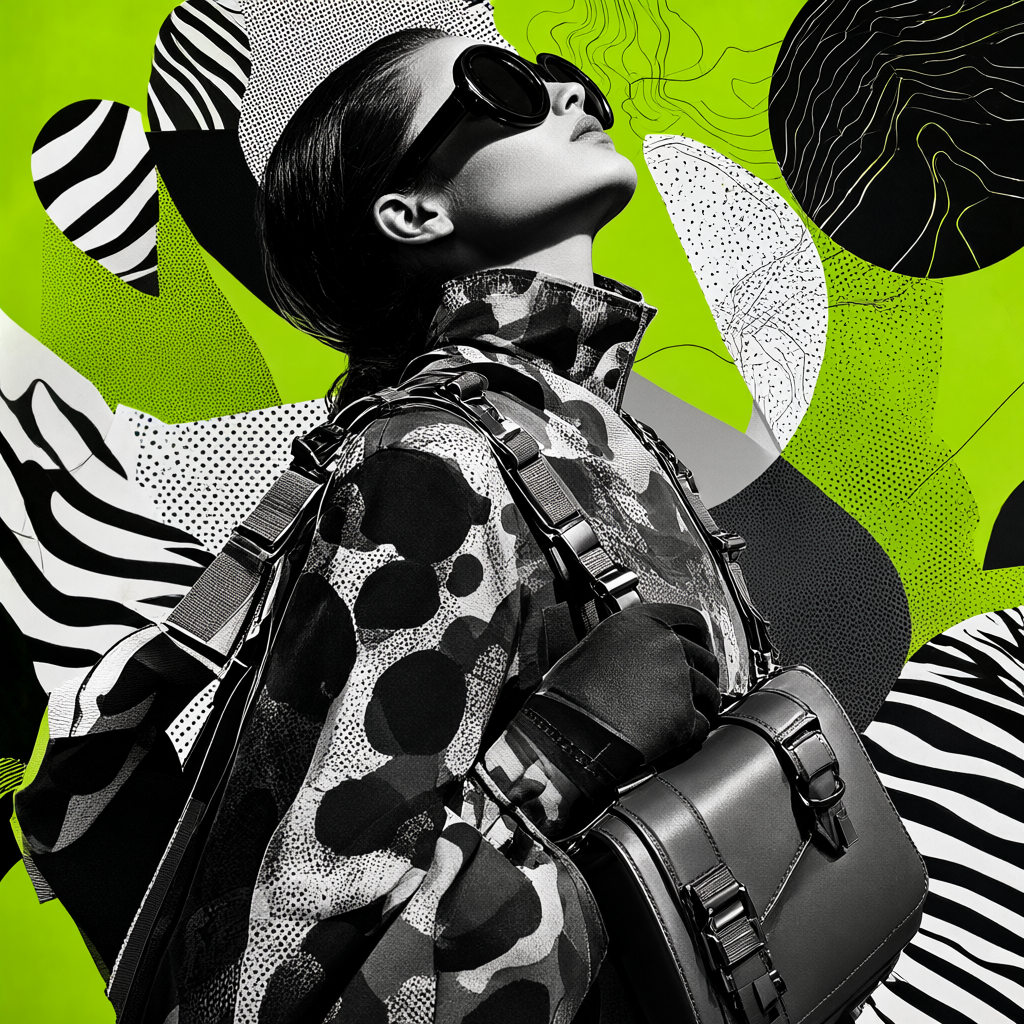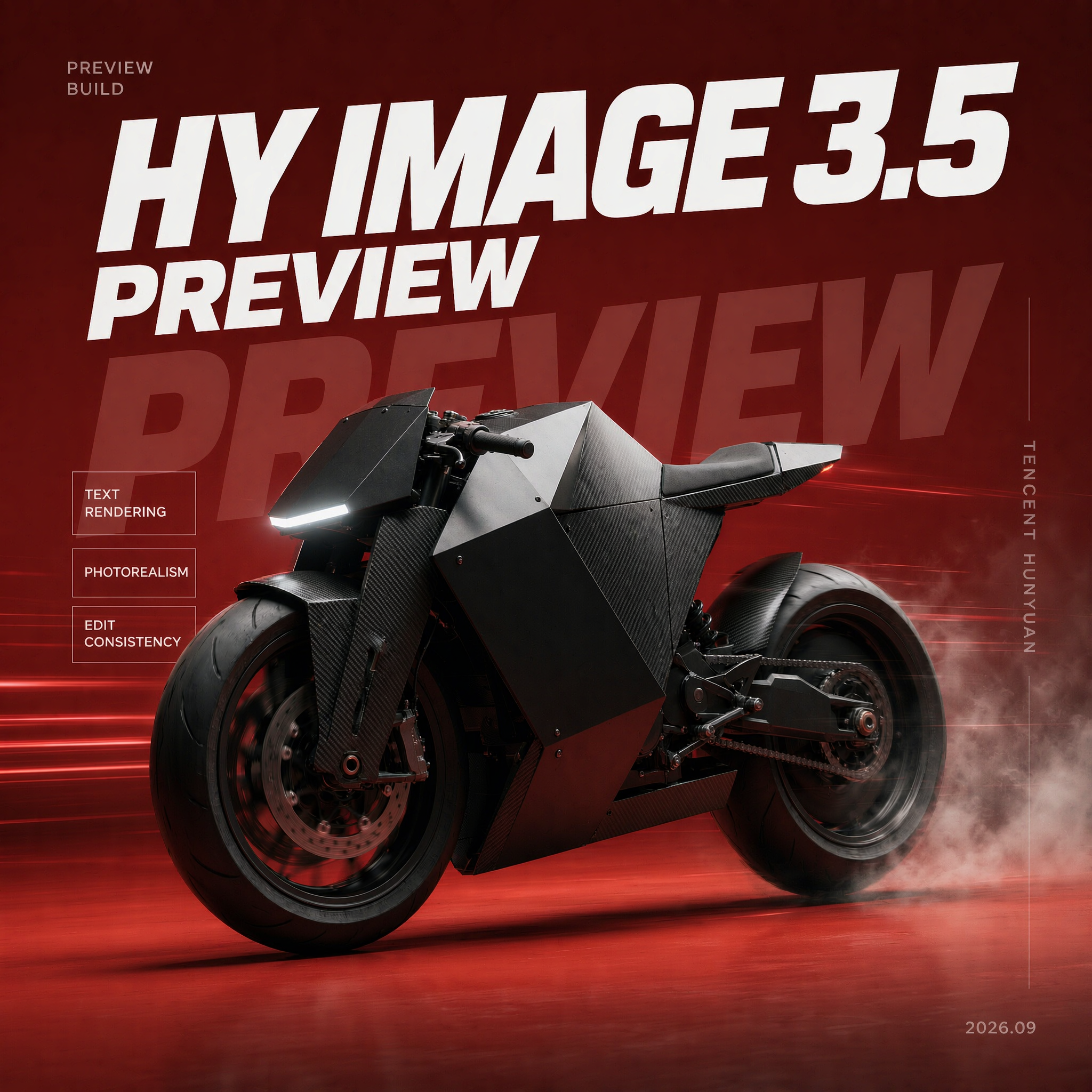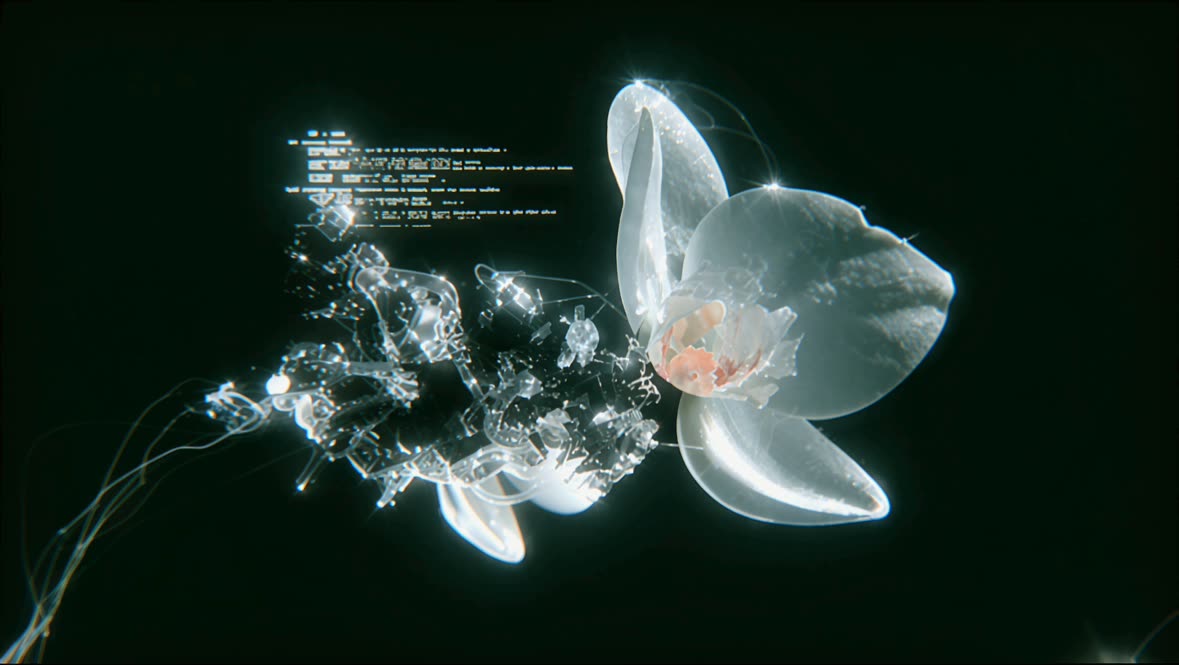
This workflow turns text prompts into images using Krea-2 Turbo, a distilled text-to-image model designed for speed and expressive, stylized results. It includes a ResolutionSelector so you can switch aspect ratios without touching width/height by hand, optional style LoRAs for creative control, and a SaveImage node that writes finished renders to your ComfyUI/output folder. A MarkdownNote in the graph links to the official Krea-2 model and LoRA resources so you can install the exact files the graph expects.
Technically, your prompt flows into the Krea‑2 Turbo inference node (b0e5ca93-2731-42b9-8e0a-d28ea851ff81), which loads a diffusion checkpoint such as krea2_turbo_fp8_scaled.safetensors. If you select one or more LoRAs from ComfyUI/models/loras, those adapters are applied during sampling to steer style. The ResolutionSelector subgraph outputs a matched width/height pair to the Krea‑2 node so you can generate at common sizes reliably. The image tensor then routes to SaveImage, which saves numbered files and embeds metadata for reproducibility. The graph is grouped into a compact subgraph so you can work from a single control surface instead of hunting through nodes.
It’s especially useful for concept art and visual brainstorming: start with a general idea, toggle a style LoRA to explore different looks, iterate seeds, and lock a resolution preset for downstream design work. For best control, include any LoRA trigger words in your prompt and start with a moderate LoRA weight (around 0.6), then fine‑tune from there. See the linked Krea‑2 and LoRA docs for model variants and style lists.
よくある質問
Place the Krea-2 Turbo checkpoint (e.g., krea2_turbo_fp8_scaled.safetensors) in ComfyUI/models/checkpoints and style LoRAs in ComfyUI/models/loras. Restart ComfyUI so the files are detected.
Select one or more LoRAs in the Krea-2 node, include each LoRA’s trigger words in your prompt, and adjust their weights. A good starting point is ~0.6 per LoRA, then fine-tune up or down to balance multiple styles. Refer to the LoRA table in the Hugging Face repo for trigger words and recommended ranges.
Use the ResolutionSelector. It outputs matched width/height presets so you don’t have to calculate sizes manually. Choose a preset that matches your target use case and regenerate. For crisp results, generate at the target aspect rather than upscaling a mismatched crop.
Set a fixed Seed on the Krea-2 node (if exposed) before queuing the prompt. Keep the same prompt, model, LoRA set, and resolution. If the node provides guidance or step controls, small adjustments there can improve adherence to the prompt (higher guidance) or smoothness (tuning steps).
Seedance 2.0: Reference to Video


Nano Banana 2 Lite: Text to Image
Seedream 5.0 Pro: Image Edit
4K Seedance 2.0 - Reference to Video

Z-Image-Turbo Text to Image
Grok: Image Edit
Nano Banana 2 Lite: Image Edit
Grok: Video generation
Seedance2.0 4K: Reference to Video

Grok Imagine Image Quality: Generation
LTX 2.3 - Lipdub LoRA + Voice Clone
Seedance 2.0 Mini: Reference to Video
SCAIL-2: Character Replacement

Ideogram v4: Text to Image
Googly Eyes
Seedance 2.0 - Viral Videos Character Swap
Gemini Omni Flash: Image to Video

Nano Banana 2: Image Edit


cinematic_annotate_video
HappyHorse 1.1: Text to Video
HappyHorse 1.1: Image to Video
Beeble SwitchX: Video Edit

3x3 Contact Sheet
Restore Archival Footage - LTX 2.3 Dearchive LoRA