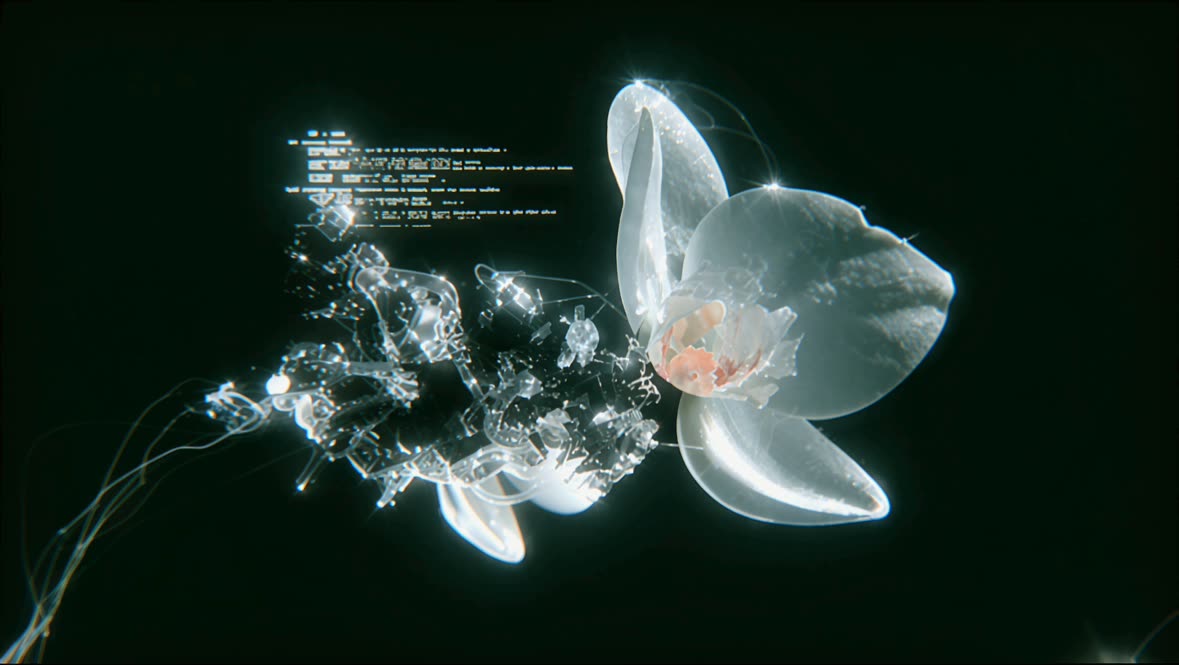
The LTX-2: Text to Video workflow is designed to transform text prompts into high-quality videos using the Lightricks LTX-2 model. This workflow leverages the LtxvApiTextToVideo node to interpret text inputs and generate synchronized video and audio outputs. The workflow supports resolutions up to 4K at 50fps, making it suitable for a variety of production needs, from quick social media clips to professional-grade video content. Users can choose between Fast, Pro, and Ultra modes to balance between speed and quality, depending on their specific requirements.
Technically, the workflow utilizes the LtxvApiTextToVideo node to connect with the Lightricks API, which processes the text input to create video content. The SaveVideo node is then used to store the generated video file locally. Additionally, the MarkdownNote node provides documentation and notes within the workflow, ensuring that users have access to important information and links, such as API node details and pricing. This workflow is particularly useful for content creators, marketers, and educators who need to produce video content quickly and efficiently from text descriptions.
API
Use this workflow from code
Every Comfy workflow is a JSON graph. The payload below is this workflow, exactly as ComfyUI runs it — fetch it from the URL, keep it in version control, or load it in ComfyUI and run it node by node.
Run it from TypeScript or Python with the Comfy SDK. The same code targets Comfy Cloud or a ComfyUI you host yourself — only the base URL changes.
// Install (beta)
npm i @comfyorg/sdk

// Run this workflow (TypeScript)
import { Comfy } from "@comfyorg/sdk";

const client = new Comfy({ apiKey: "comfyui-..." });
const wf = await client.workflows.fromFile("workflow_api.json");
const job = await client.run(wf);
await job.getOutputs("<output-node-id>")[0].toFile("output.png");
The SDK takes a workflow in API format: open this workflow in ComfyUI and use File → Export Workflow (API).
Comfy Cloud API access requires a plan with an API key.
FAQ