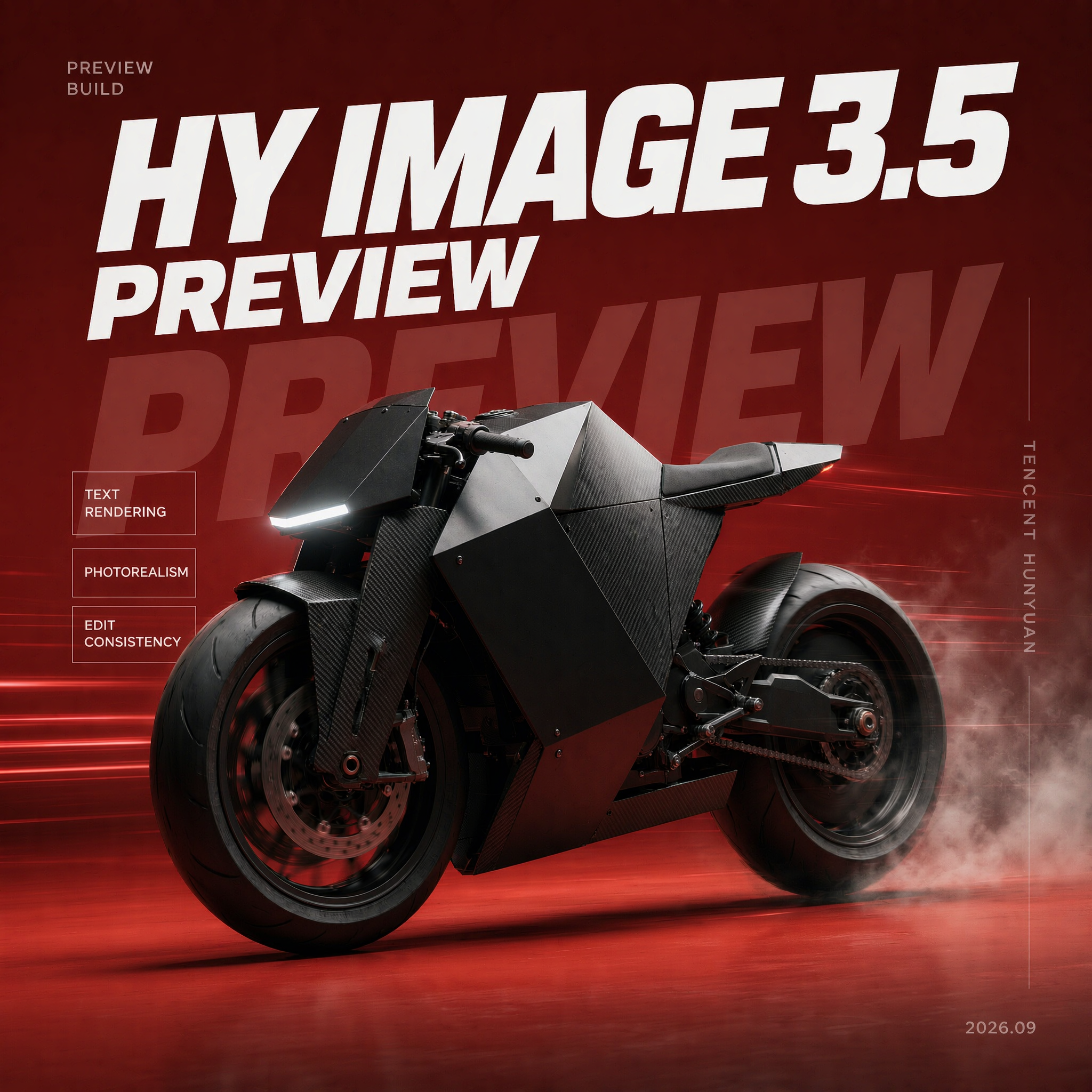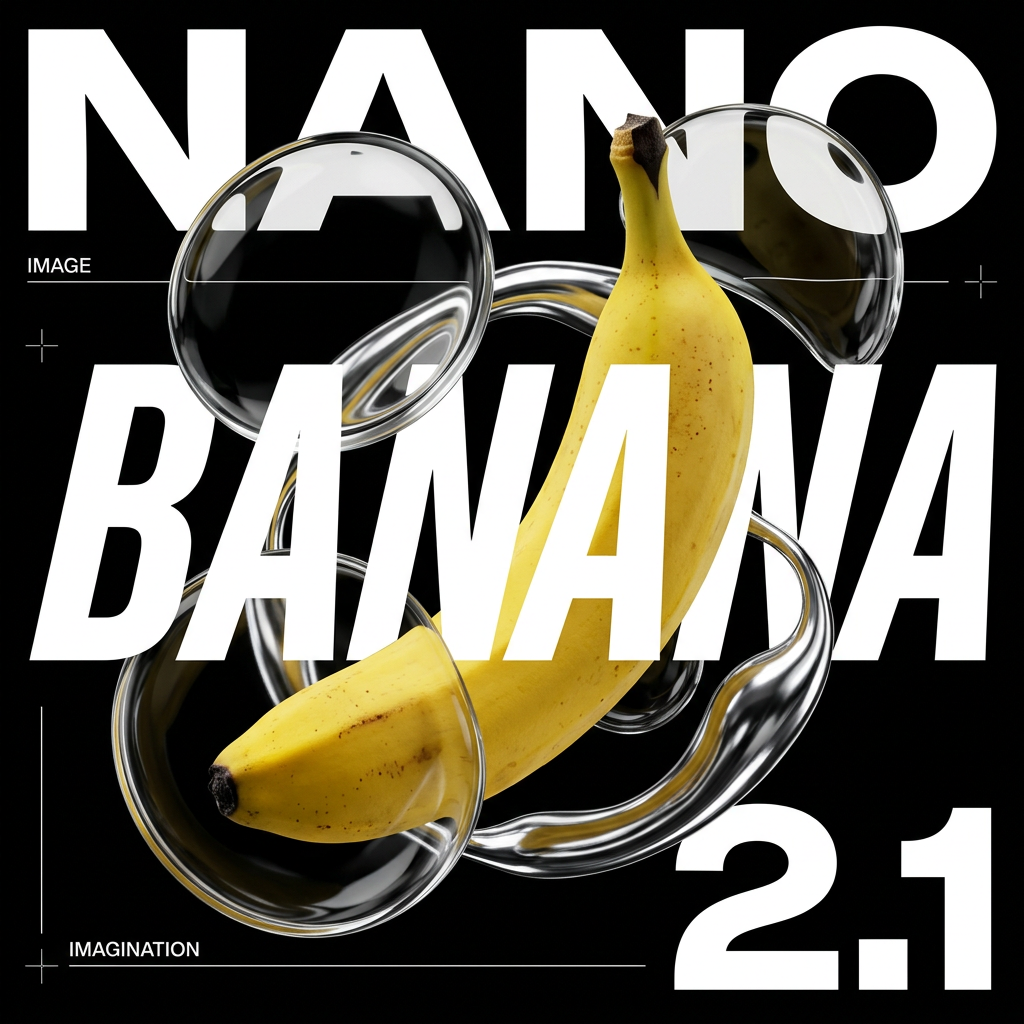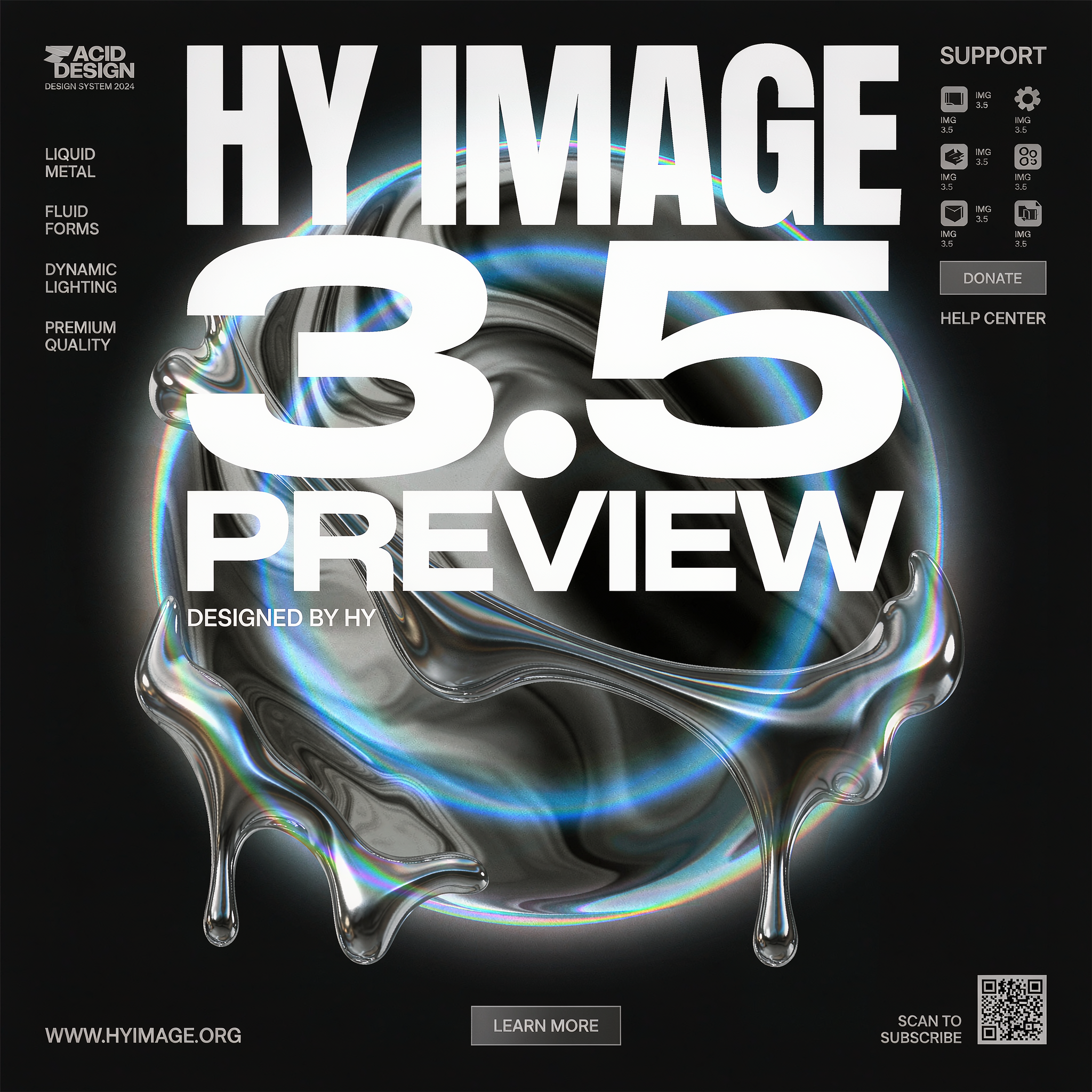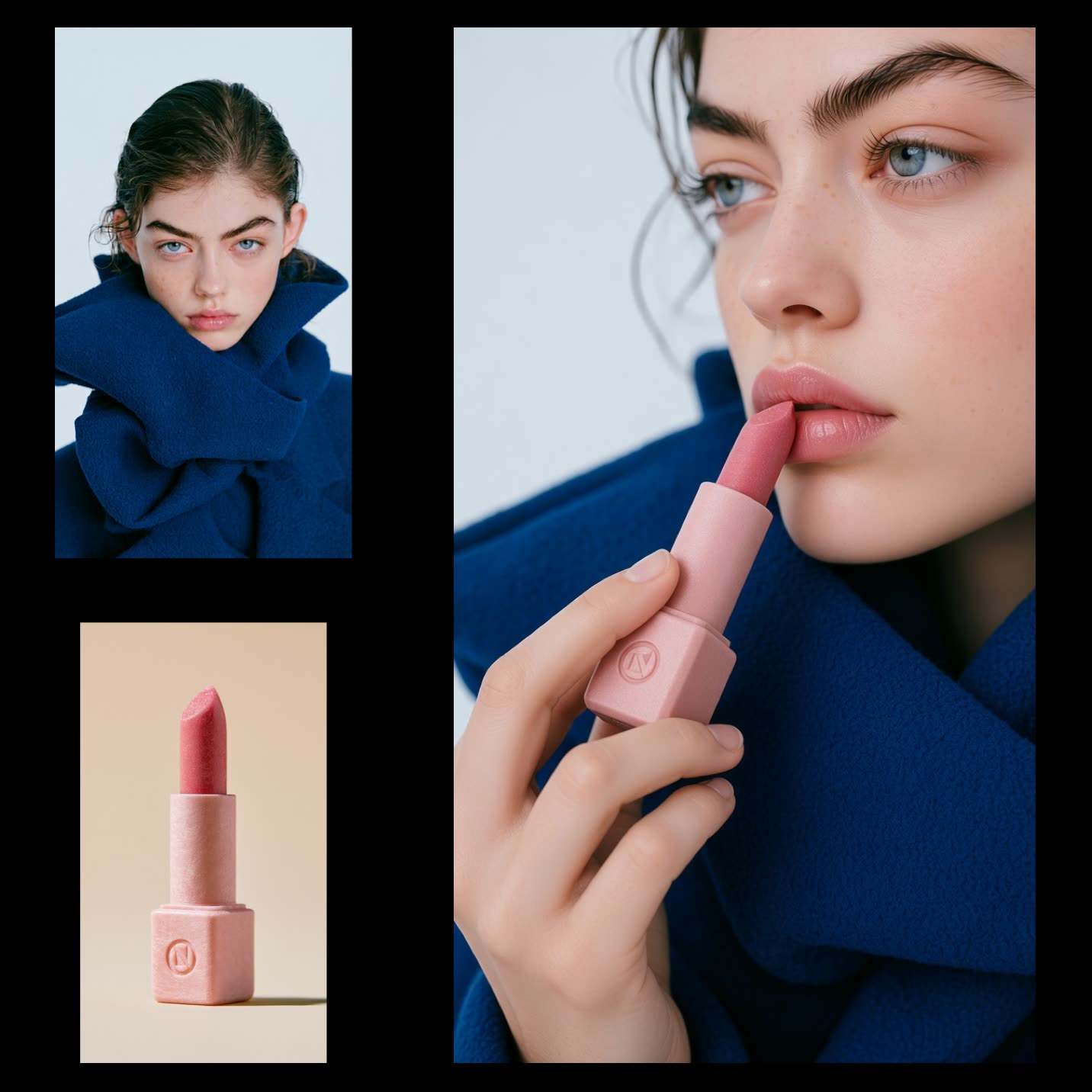
The 'Vidu Q1: Reference to Video' workflow in ComfyUI is designed to generate videos with consistent subjects by utilizing multiple reference images. This technique is particularly useful for maintaining character and style continuity throughout a video sequence. The workflow leverages the Vidu Q1 and Vidu models, which are specialized for video generation tasks. Key nodes in this workflow include the ViduReferenceVideoNode, which processes up to seven reference images to ensure that the generated video maintains a coherent visual style and subject matter. The LoadImage and ImageBatch nodes are used to input and manage the reference images, while the SaveVideo node finalizes the output by saving the generated video file. This workflow is especially beneficial for creators looking to produce videos where character consistency is crucial, such as in animated storytelling or branding videos. By using multiple reference images, users can input different perspectives or scenes, which the workflow then synthesizes into a seamless video, ensuring that the character or style remains uniform across frames.
API
從程式碼使用此工作流
每個 Comfy 工作流都是一個 JSON 圖。下方的 payload 就是此工作流,與 ComfyUI 執行時完全相同 — 你可以從此 URL 取得、放入版本控制,或在 ComfyUI 載入並逐節點執行。
使用 Comfy SDK 以 TypeScript 或 Python 執行。相同程式碼可用於 Comfy Cloud 或你自架的 ComfyUI — 只需更改 base URL。
// Install (beta)
npm i @comfyorg/sdk

// Run "Vidu Q1:參考生影片" (TypeScript)
import { Comfy } from "@comfyorg/sdk";

const client = new Comfy({ apiKey: "comfyui-..." });

// This workflow, exported in API format (see note below)
const wf = await client.workflows.fromFile("api_vidu_reference_to_video_api.json");

const asset = client.assets.fromFile("input.png");
wf.setInput("28", "image", asset);  // LoadImage

const job = await client.run(wf);
await job.getOutputs("21")[0].toFile("output.png");  // SaveVideo
SDK 需使用 API 格式的工作流:請在 ComfyUI 開啟此工作流,並使用 檔案 → 匯出工作流(API)。
常見問題