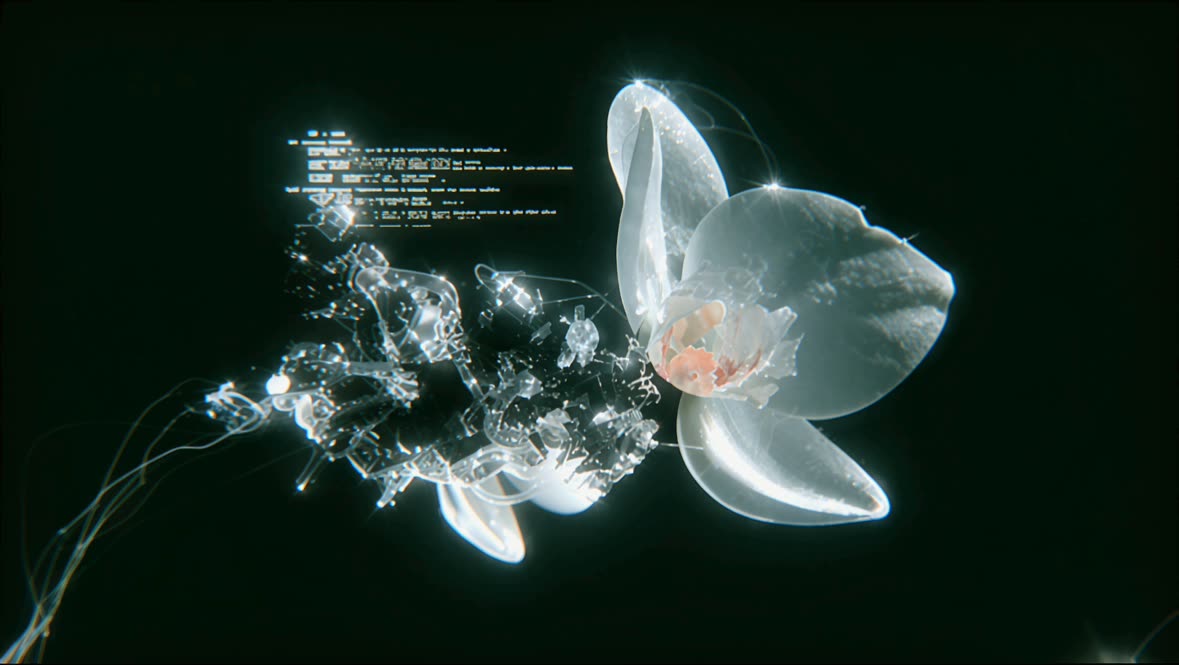

이 비교 워크플로는 GeminiNanoBanana2V2 노드를 통해 Nano Banana 2 Lite가 편집 지시에 따라 소스 이미지를 어떻게 변환하는지 깔끔하게 좌우로 나란히 보여줍니다. 파이프라인은 원본 이미지를 로드하고, 모델로 편집을 적용한 다음, ImageCompare로 원본과 결과를 나란히 배치해 무엇이 바뀌었고 무엇이 일관되게 유지됐는지 빠르게 판단할 수 있게 합니다.
방법론적으로 이 비교는 통제되어 있습니다. 두 패널 모두 동일한 소스 이미지(LoadImage)에서 파생되며, 모델 기반 편집만 다릅니다. 따라서 속도 대비 충실도, 스타일 드리프트의 정도, 구조 또는 정체성 보존 같은 트레이드오프를 평가하기 쉽습니다. Nano Banana 2 Lite는 반응성과 효율적인 편집을 우선합니다. 실제로는 일반적인 작업(색상 조정, 작은 오브젝트 추가/제거)에서 빠르고 일관된 변경을 기대할 수 있지만, 매우 복잡하거나 큰 범위의 전역 변환은 더 엄격한 지시 또는 반복 패스가 필요할 수 있습니다.
API
코드에서 이 워크플로우 사용하기
모든 Comfy 워크플로우는 JSON 그래프입니다. 아래 페이로드는 이 워크플로우 그 자체로, ComfyUI에서 실행되는 것과 동일합니다 — URL에서 가져오거나, 버전 관리에 보관하거나, ComfyUI에서 불러와 노드별로 실행할 수 있습니다.
Comfy SDK로 TypeScript 또는 Python에서 실행하세요. 동일한 코드는 Comfy Cloud 또는 직접 호스팅하는 ComfyUI 모두에 적용됩니다 — 기본 URL만 다릅니다.
// Install (beta)
npm i @comfyorg/sdk

// Run this workflow (TypeScript)
import { Comfy } from "@comfyorg/sdk";

const client = new Comfy({ apiKey: "comfyui-..." });
const wf = await client.workflows.fromFile("workflow_api.json");
const job = await client.run(wf);
await job.getOutputs("<output-node-id>")[0].toFile("output.png");
SDK는 API 형식의 워크플로우를 사용합니다: 이 워크플로우를 ComfyUI에서 열고 파일 → 워크플로우 내보내기(API)를 사용하세요.
FAQ