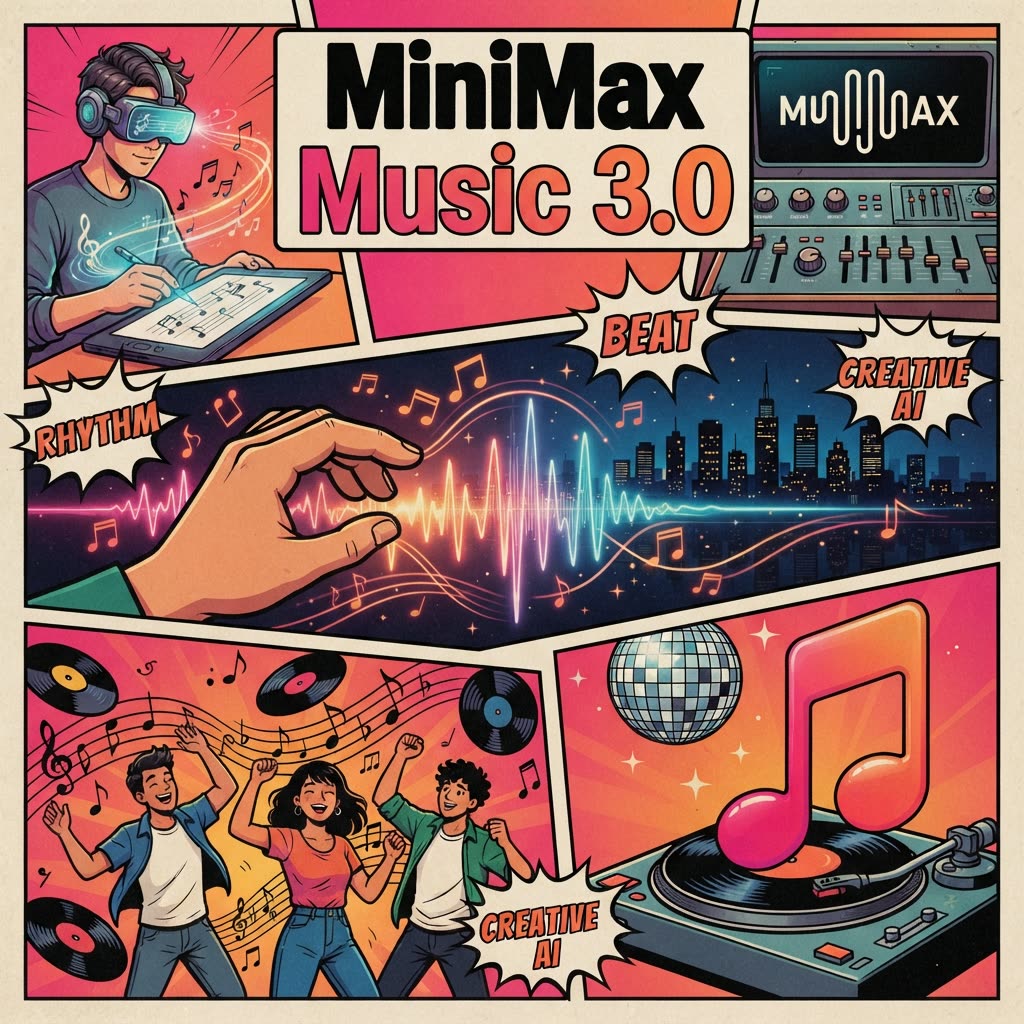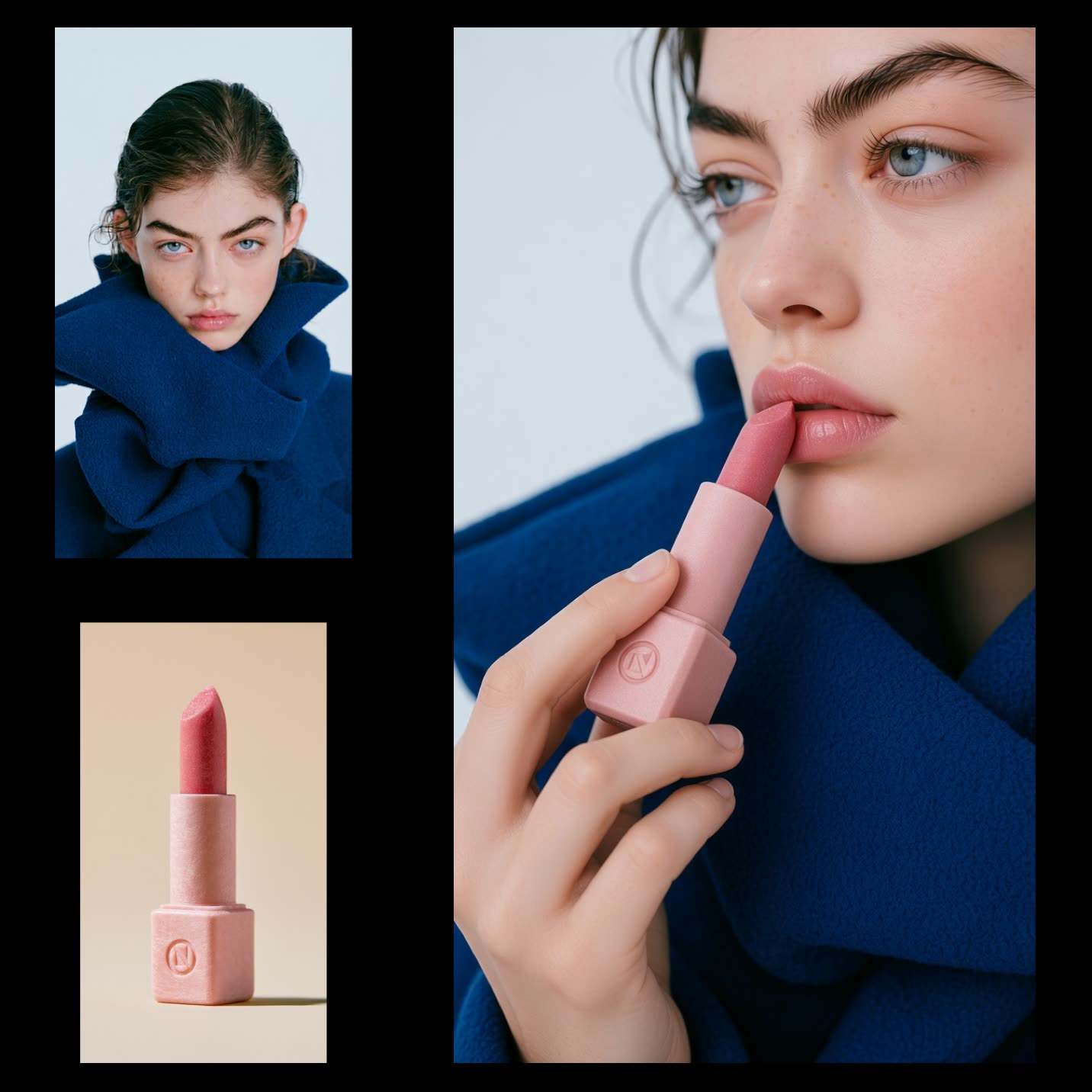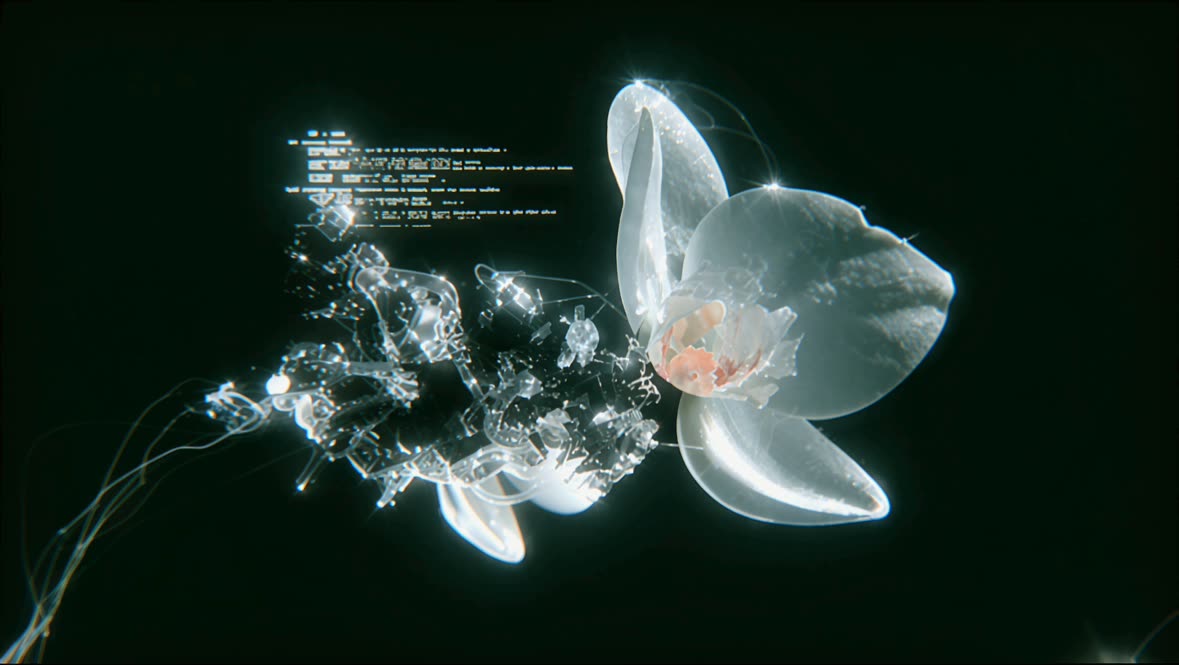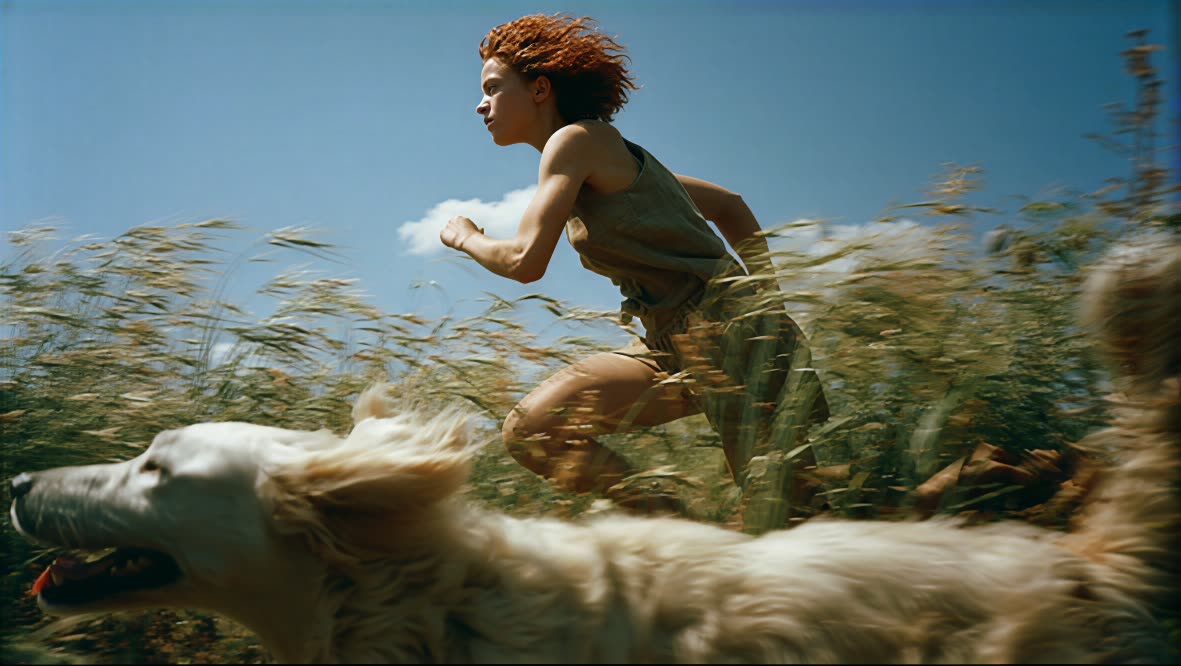
This ComfyUI workflow turns plain-language prompts into short videos using the Kling O1 model. At its core is the KlingOmniProTextToVideoNode, which sends your prompt to the Kling service and receives a generated clip. The node handles prompt text and generation options (such as clip length and size), then passes the resulting video to SaveVideo, which writes the output to disk.
Technically, the KlingOmniProTextToVideoNode is the generation engine: it packages your prompt and settings, calls the Kling O1 API, and outputs a video stream or frame sequence as a single node result. The SaveVideo node consumes that output and saves it to a file, where you can control basics like output path and frame rate. For best results, write prompts that clearly define the subject, action, setting, and camera behavior (for example: "wide shot, slow dolly-in, golden-hour lighting"). Keep durations and resolutions within the node’s supported ranges to reduce errors and queue times. If the node exposes a seed, fix it to make variations more reproducible.
API
코드에서 이 워크플로우 사용하기
모든 Comfy 워크플로우는 JSON 그래프입니다. 아래 페이로드는 이 워크플로우 그 자체로, ComfyUI에서 실행되는 것과 동일합니다 — URL에서 가져오거나, 버전 관리에 보관하거나, ComfyUI에서 불러와 노드별로 실행할 수 있습니다.
Comfy SDK로 TypeScript 또는 Python에서 실행하세요. 동일한 코드는 Comfy Cloud 또는 직접 호스팅하는 ComfyUI 모두에 적용됩니다 — 기본 URL만 다릅니다.
// Install (beta)
npm i @comfyorg/sdk

// Run "Kling O1: 텍스트 기반 비디오 생성" (TypeScript)
import { Comfy } from "@comfyorg/sdk";

const client = new Comfy({ apiKey: "comfyui-..." });

// This workflow, exported in API format (see note below)
const wf = await client.workflows.fromFile("api_kling_omni_t2v_api.json");

const job = await client.run(wf);
await job.getOutputs("16")[0].toFile("output.png");  // SaveVideo
SDK는 API 형식의 워크플로우를 사용합니다: 이 워크플로우를 ComfyUI에서 열고 파일 → 워크플로우 내보내기(API)를 사용하세요.
FAQ