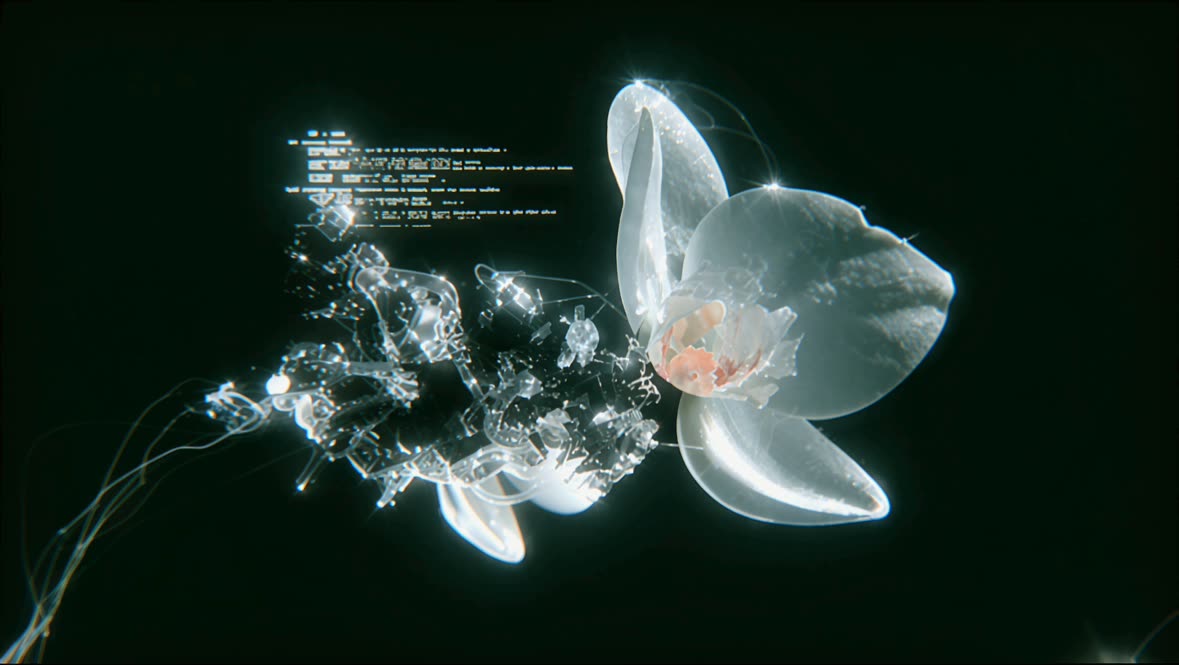
This ComfyUI workflow turns plain-language prompts into short videos using the Kling O1 model. At its core is the KlingOmniProTextToVideoNode, which sends your prompt to the Kling service and receives a generated clip. The node handles prompt text and generation options (such as clip length and size), then passes the resulting video to SaveVideo, which writes the output to disk.
Technically, the KlingOmniProTextToVideoNode is the generation engine: it packages your prompt and settings, calls the Kling O1 API, and outputs a video stream or frame sequence as a single node result. The SaveVideo node consumes that output and saves it to a file, where you can control basics like output path and frame rate. For best results, write prompts that clearly define the subject, action, setting, and camera behavior (for example: "wide shot, slow dolly-in, golden-hour lighting"). Keep durations and resolutions within the node’s supported ranges to reduce errors and queue times. If the node exposes a seed, fix it to make variations more reproducible.
API
Use this workflow from code
Every Comfy workflow is a JSON graph. The payload below is this workflow, exactly as ComfyUI runs it — fetch it from the URL, keep it in version control, or load it in ComfyUI and run it node by node.
Run it from TypeScript or Python with the Comfy SDK. The same code targets Comfy Cloud or a ComfyUI you host yourself — only the base URL changes.
// Install (beta)
npm i @comfyorg/sdk

// Run "Kling O1: Text to Video" (TypeScript)
import { Comfy } from "@comfyorg/sdk";

const client = new Comfy({ apiKey: "comfyui-..." });

// This workflow, exported in API format (see note below)
const wf = await client.workflows.fromFile("api_kling_omni_t2v_api.json");

const job = await client.run(wf);
await job.getOutputs("16")[0].toFile("output.png");  // SaveVideo
The SDK takes a workflow in API format: open this workflow in ComfyUI and use File → Export Workflow (API).
Comfy Cloud API access requires a plan with an API key.
FAQ