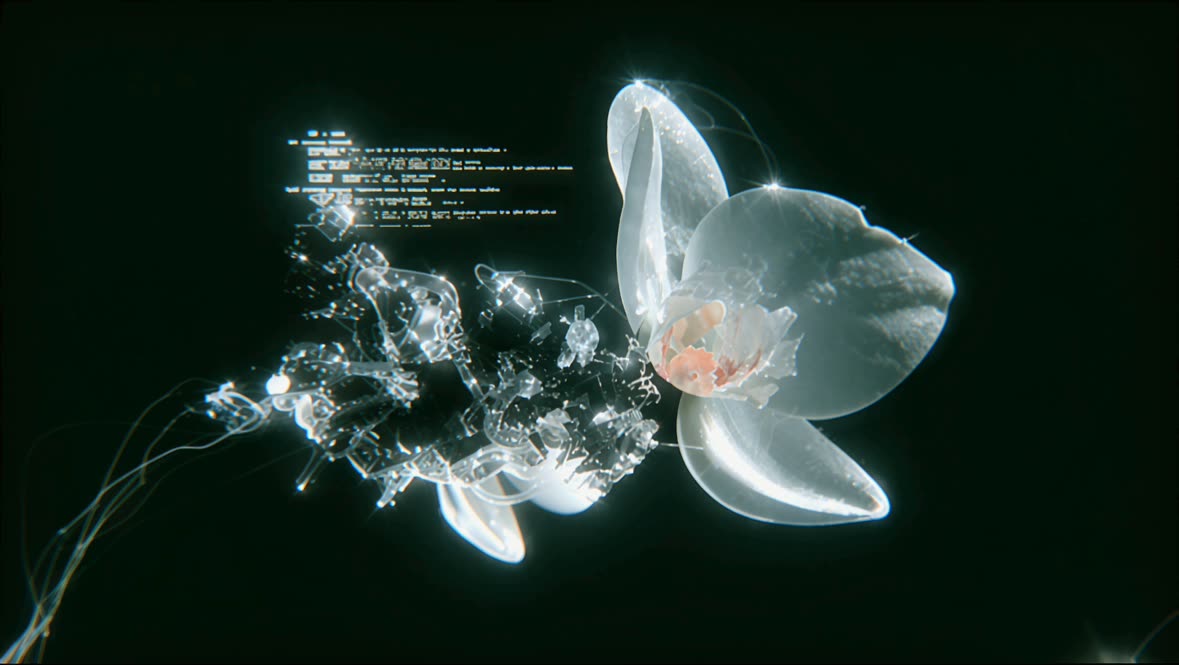
This ComfyUI tutorial workflow shows how to turn a text prompt or a single still image into a finished MP4 clip using Gemini Omni 1.1 Flash. The core of the pipeline is the GeminiVideoOmniV2 node, which accepts a prompt and (optionally) a reference image to drive image-to-video generation. You can target common aspect ratios and resolutions up to 4K, set clip duration and frame rate, and enable optional audio. The included MarkdownNote provides inline tips, while SaveVideo writes the final video to disk.
Technically, the flow is simple and robust: LoadImage brings in the provided blue_studio_car.png (or your own asset) and feeds it to GeminiVideoOmniV2 when you want image conditioning. The model handles text-to-video and image-to-video, along with internal keyframe interpolation and scene extension, controlled through your prompt and node parameters. GeminiVideoOmniV2 returns the generated clip, and SaveVideo outputs a single MP4 with your chosen fps and path. Leave the image input disconnected for pure text-to-video; connect it to anchor motion, style, and composition to your reference.
API
通过代码使用此工作流
每个 Comfy 工作流都是一个 JSON 图。下面的内容就是此工作流的完整数据,ComfyUI 运行时也是如此——你可以从该 URL 获取、放入版本控制,或在 ComfyUI 中加载并逐节点运行。
使用 Comfy SDK 从 TypeScript 或 Python 运行。相同代码可用于 Comfy Cloud 或你自托管的 ComfyUI——只需更改基础 URL。
// Install (beta)
npm i @comfyorg/sdk

// Run this workflow (TypeScript)
import { Comfy } from "@comfyorg/sdk";

const client = new Comfy({ apiKey: "comfyui-..." });
const wf = await client.workflows.fromFile("workflow_api.json");
const job = await client.run(wf);
await job.getOutputs("<output-node-id>")[0].toFile("output.png");
SDK 需要 API 格式的工作流:在 ComfyUI 中打开此工作流,使用 文件 → 导出工作流(API)。