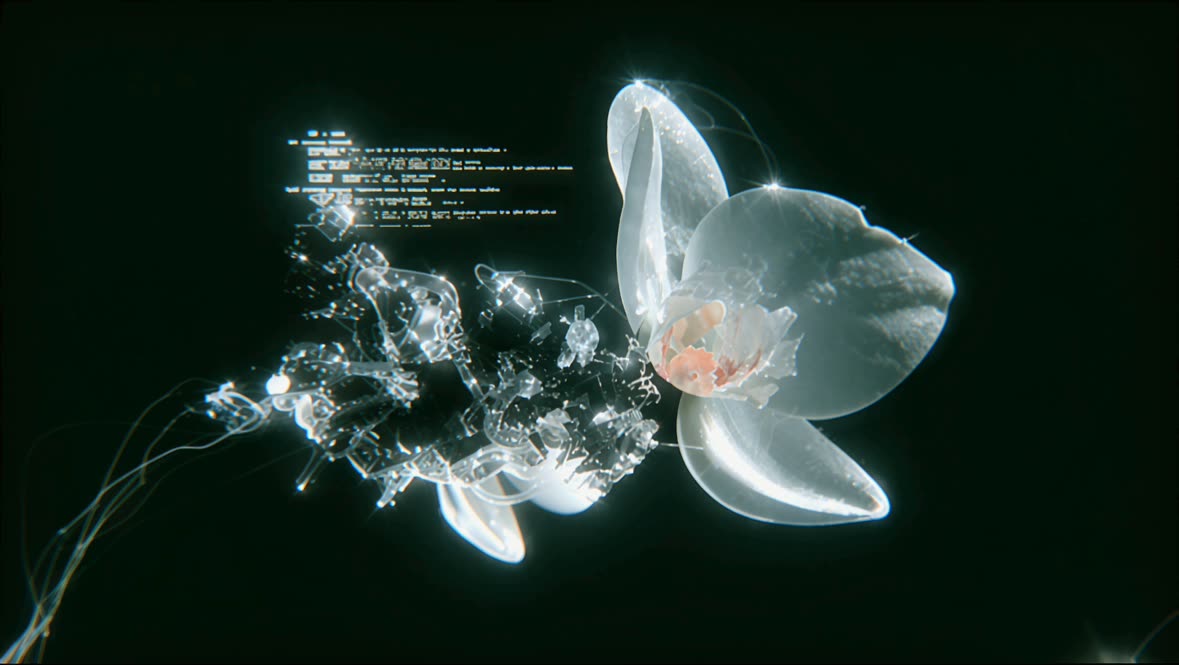
This workflow generates high-quality images from text prompts using Qwen Image 2.1, an open-weight diffusion model known for strong layout and typography rendering and native 2K (2048×2048) output. At its core is a custom Qwen generator node (UUID: c291ceec-b98f-4751-9d0b-7bc288f27b30) that loads either qwen_image_2.1_bf16.safetensors or the memory-saving qwen_image_2.1_int8_convrot.safetensors. By default, it produces a single 1024×1024 image in about 25 sampling steps, with support for transparent (alpha) backgrounds when saved as PNG. ResolutionSelector sets the canvas size, and SaveImageAdvanced handles file output and metadata.
Technically, the subgraph encapsulates prompt conditioning and a built-in sampler inside the Qwen node, so you don’t need separate sampler nodes. You provide a prompt (and optionally a negative prompt if exposed), choose a resolution, and the node performs the full diffusion pass. The workflow’s MarkdownNote/Note nodes document on-canvas instructions, while SaveImageAdvanced ensures your output is written with correct color and alpha handling. This makes it ideal for fast concept visualizations, posters, and assets that benefit from clean text and layout—without leaving the ComfyUI canvas.
API
通过代码使用此工作流
每个 Comfy 工作流都是一个 JSON 图。下面的内容就是此工作流的完整数据,ComfyUI 运行时也是如此——你可以从该 URL 获取、放入版本控制,或在 ComfyUI 中加载并逐节点运行。
使用 Comfy SDK 从 TypeScript 或 Python 运行。相同代码可用于 Comfy Cloud 或你自托管的 ComfyUI——只需更改基础 URL。
// Install (beta)
npm i @comfyorg/sdk

// Run this workflow (TypeScript)
import { Comfy } from "@comfyorg/sdk";

const client = new Comfy({ apiKey: "comfyui-..." });
const wf = await client.workflows.fromFile("workflow_api.json");
const job = await client.run(wf);
await job.getOutputs("<output-node-id>")[0].toFile("output.png");
SDK 需要 API 格式的工作流:在 ComfyUI 中打开此工作流,使用 文件 → 导出工作流(API)。