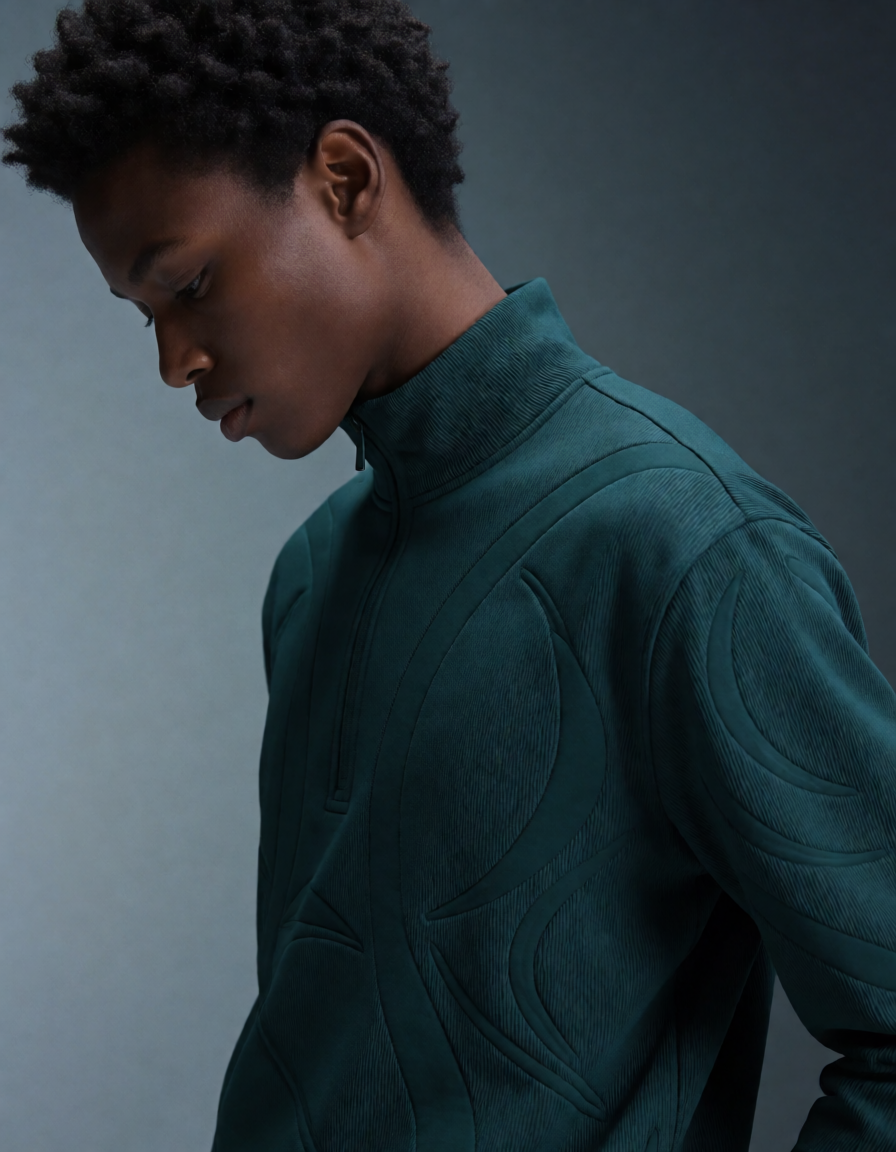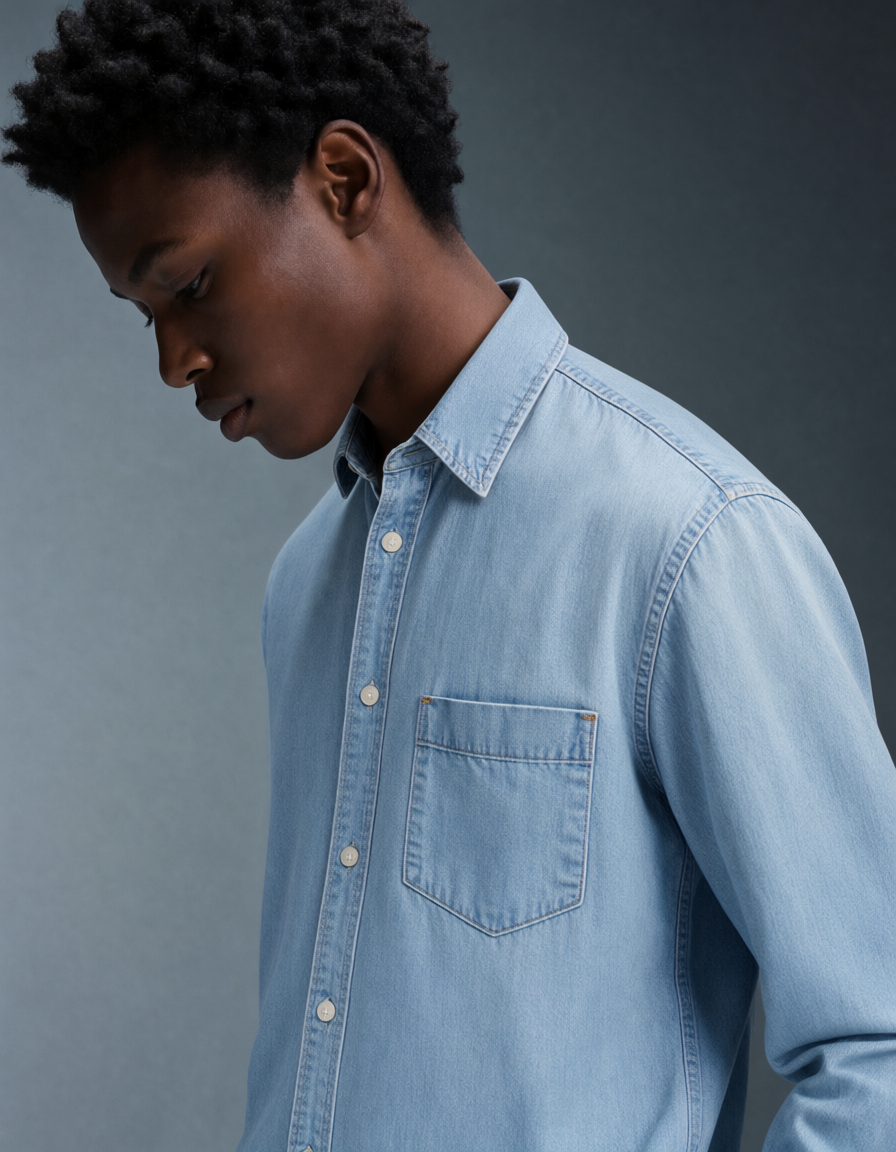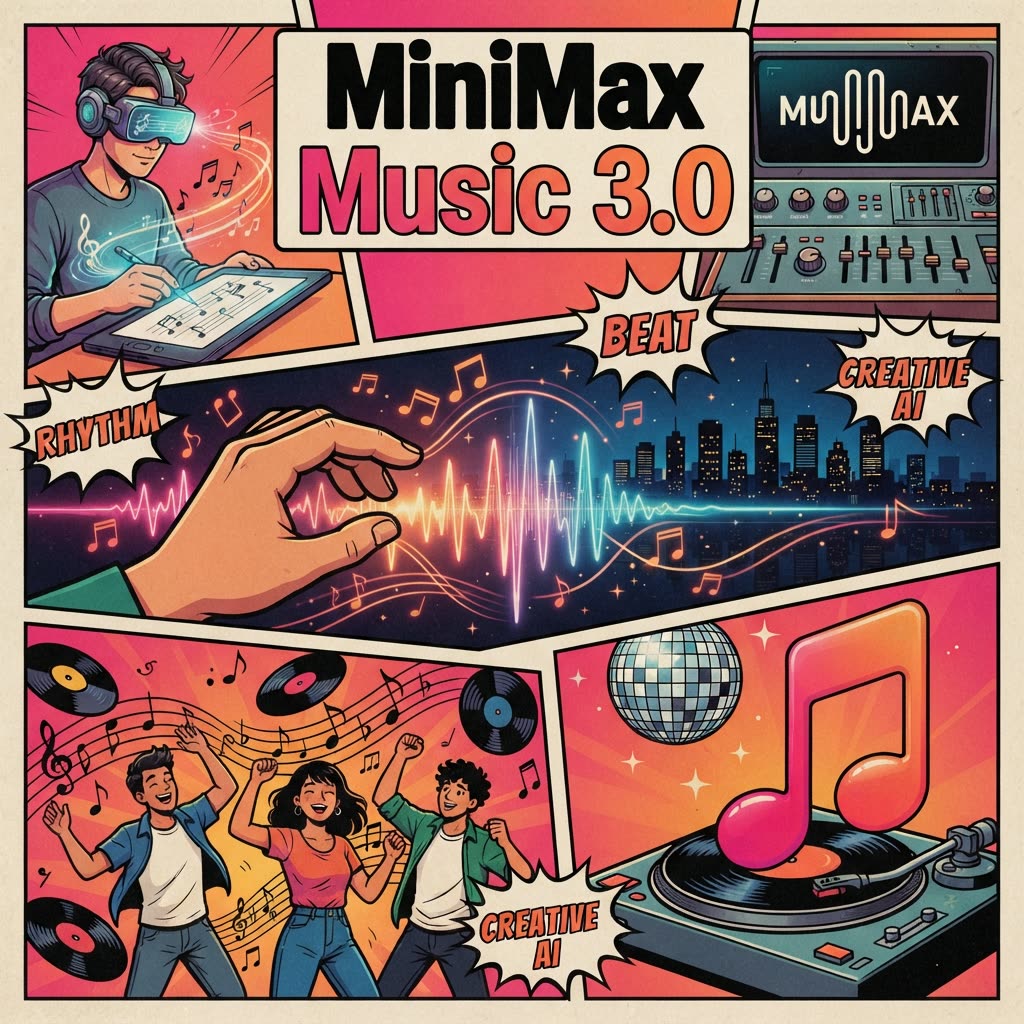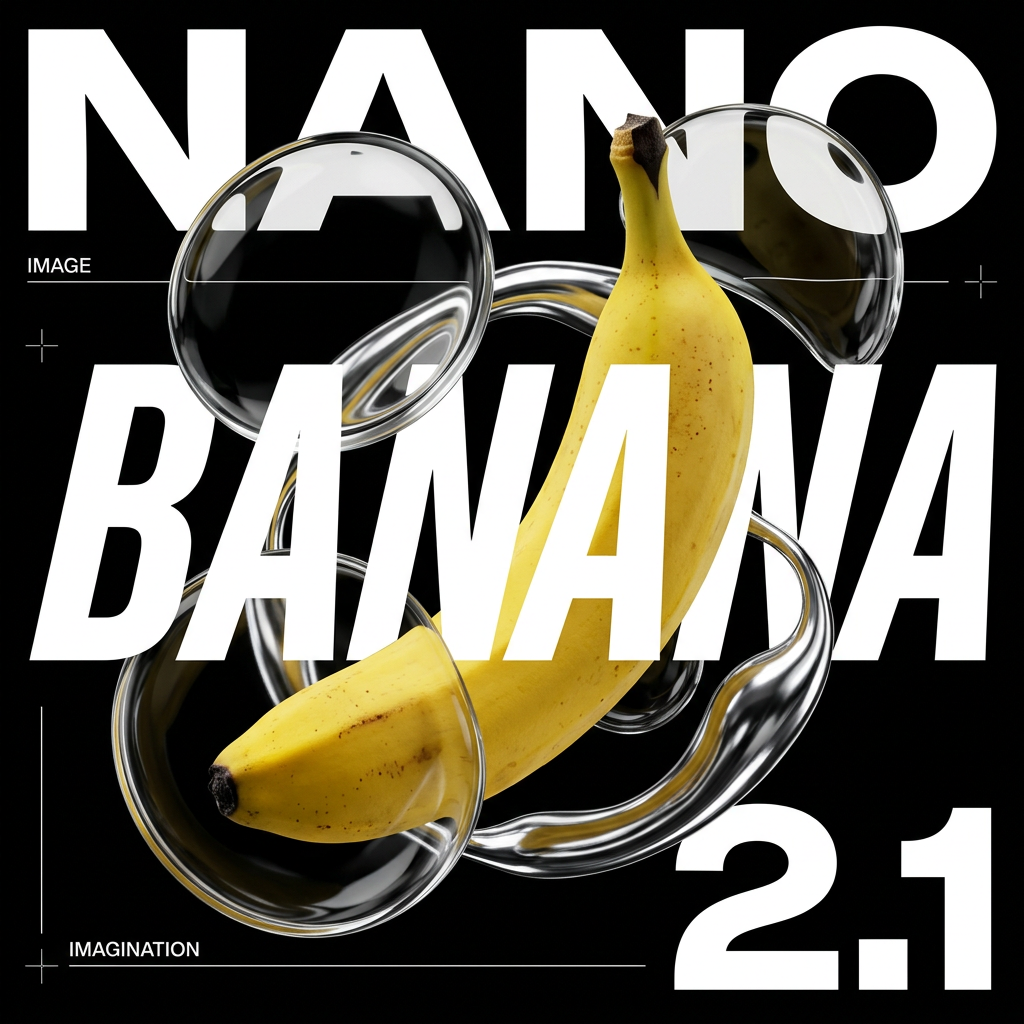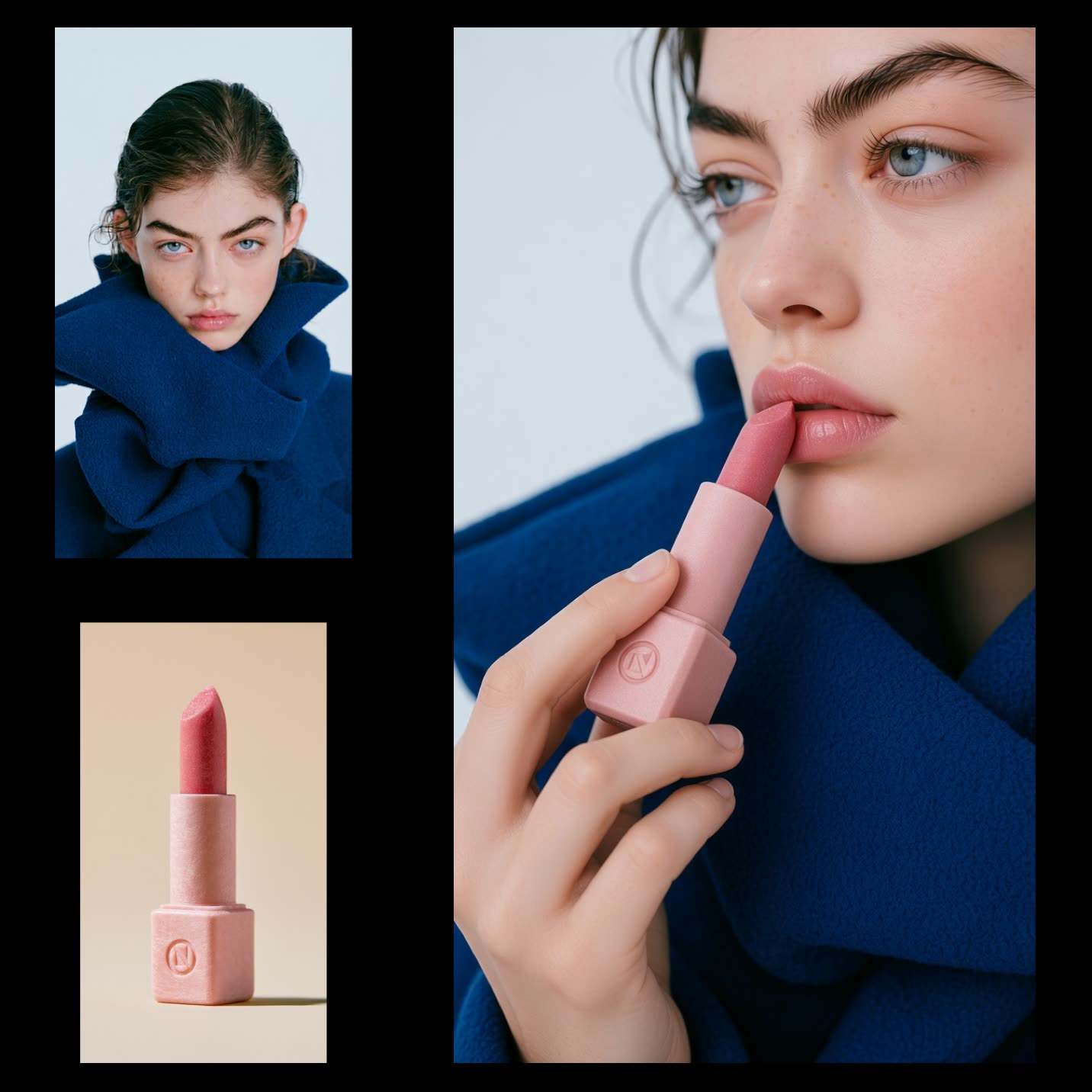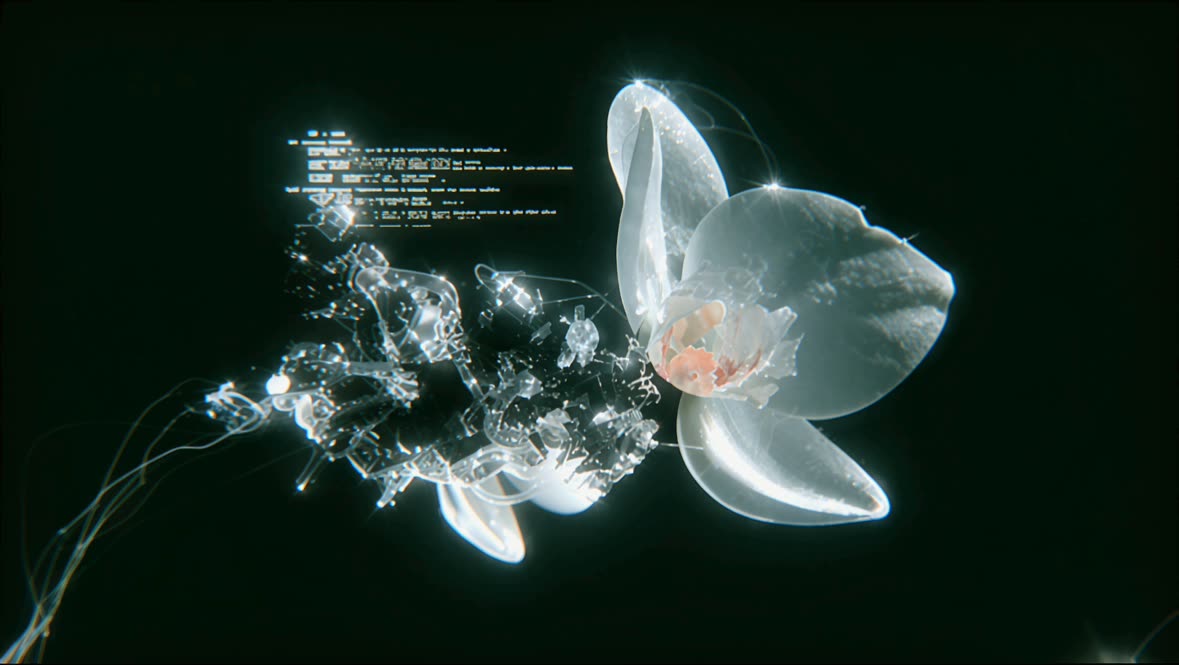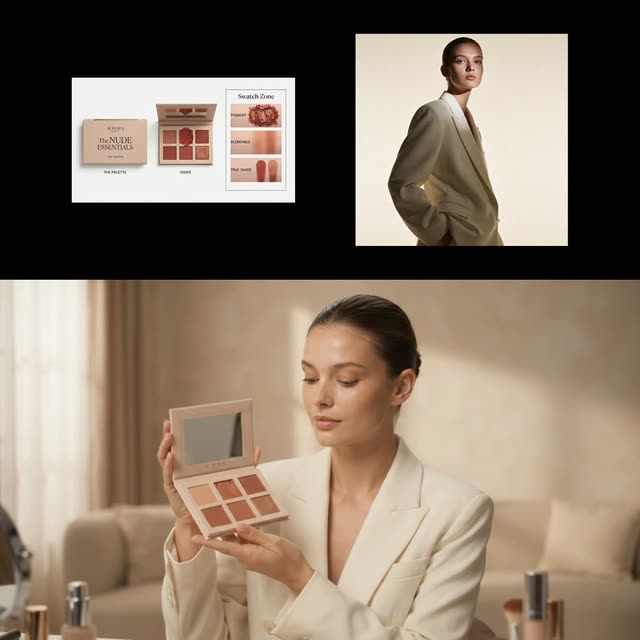
This workflow teaches you how to steer Gemini Omni 1.1 Flash to generate a video that features specific people, products, or objects without ever cutting to the original photos. It does this by binding each loaded reference image to a role tag (for example, <IMAGE_REF_0>, <IMAGE_REF_1>) and then using those tags inside your scene description so the model knows which visual subject to synthesize into the shot. The core is the GeminiVideoOmniV2 node running in reference mode, fed by one or more LoadImage nodes for character and style/product references, and finalized by a SaveVideo node to write the result to disk. A MarkdownNote in the graph documents the prompt pattern and tag usage.
Technically, each reference image is converted into a visual embedding that conditions Gemini Omni 1.1 Flash during generation. When you reference the bound tags in your prompt (for example, "Use <IMAGE_REF_0> as the model; use <IMAGE_REF_1> as the makeup palette product"), the model synthesizes frames that include those subjects while never showing the source images as frames. You can combine character references with a separate style or product board, direct the scene in plain language (actions, camera moves, lighting, location), and, when enabled in the node, generate native audio. This makes it ideal for brand-consistent shorts, character-driven storytelling, and product placement where control over who/what appears on screen matters.
API
通过代码使用此工作流
每个 Comfy 工作流都是一个 JSON 图。下面的内容就是此工作流的完整数据,ComfyUI 运行时也是如此——你可以从该 URL 获取、放入版本控制,或在 ComfyUI 中加载并逐节点运行。
使用 Comfy SDK 从 TypeScript 或 Python 运行。相同代码可用于 Comfy Cloud 或你自托管的 ComfyUI——只需更改基础 URL。
// Install (beta)
npm i @comfyorg/sdk

// Run this workflow (TypeScript)
import { Comfy } from "@comfyorg/sdk";

const client = new Comfy({ apiKey: "comfyui-..." });
const wf = await client.workflows.fromFile("workflow_api.json");
const job = await client.run(wf);
await job.getOutputs("<output-node-id>")[0].toFile("output.png");
SDK 需要 API 格式的工作流:在 ComfyUI 中打开此工作流,使用 文件 → 导出工作流(API)。