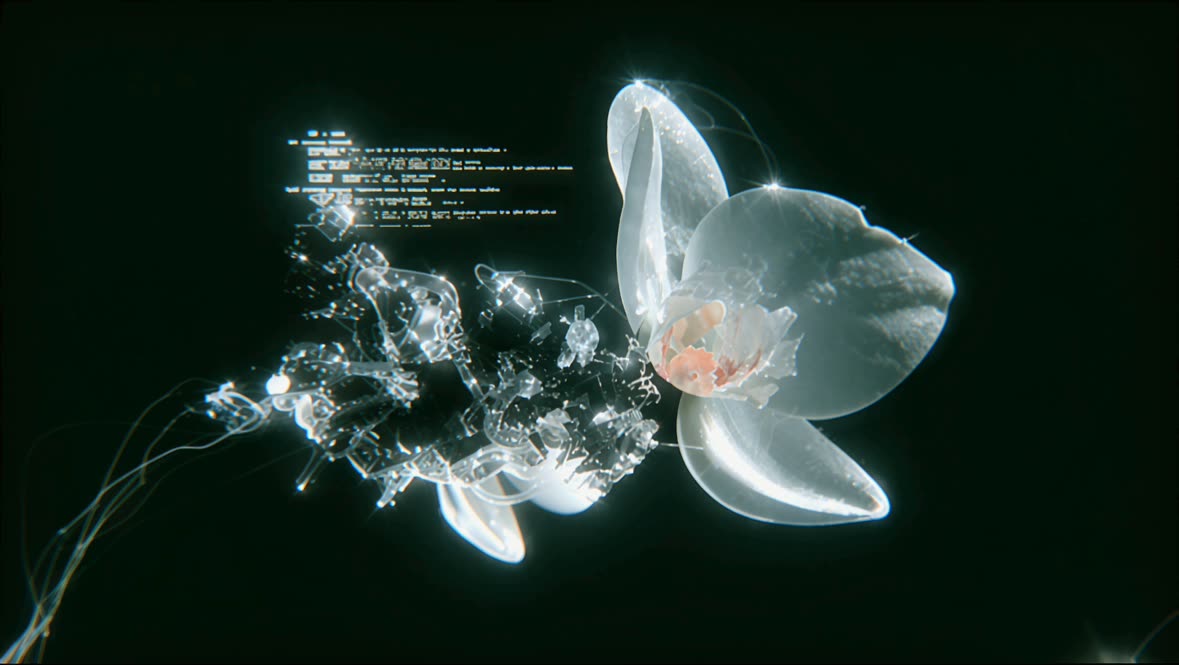
This ComfyUI tutorial workflow turns a written prompt (and optionally a reference image) into a short, cinematic video using Google’s Gemini Omni 1.1 Flash via the GeminiVideoOmniV2 node. The node handles the API call to Gemini, then returns a generated clip and, when enabled, an accompanying audio track. You get direct control over aspect ratio and resolution so your outputs are ready for social, product pages, or widescreen edits.
Technically, GeminiVideoOmniV2 is the generator: you provide the prompt and any reference image, set visual parameters, and adjust keyframe interpolation to smooth motion and maintain subject continuity between beats. The SaveVideo node then encodes the frames (and audio, if present) to a file. Because the graph is compact—GeminiVideoOmniV2 feeding into SaveVideo—you can iterate quickly: tweak the prompt, adjust aspect ratio or interpolation strength, re-queue, and compare results for fast creative refinement.
API
通过代码使用此工作流
每个 Comfy 工作流都是一个 JSON 图。下面的内容就是此工作流的完整数据,ComfyUI 运行时也是如此——你可以从该 URL 获取、放入版本控制,或在 ComfyUI 中加载并逐节点运行。
使用 Comfy SDK 从 TypeScript 或 Python 运行。相同代码可用于 Comfy Cloud 或你自托管的 ComfyUI——只需更改基础 URL。
// Install (beta)
npm i @comfyorg/sdk

// Run this workflow (TypeScript)
import { Comfy } from "@comfyorg/sdk";

const client = new Comfy({ apiKey: "comfyui-..." });
const wf = await client.workflows.fromFile("workflow_api.json");
const job = await client.run(wf);
await job.getOutputs("<output-node-id>")[0].toFile("output.png");
SDK 需要 API 格式的工作流:在 ComfyUI 中打开此工作流,使用 文件 → 导出工作流(API)。