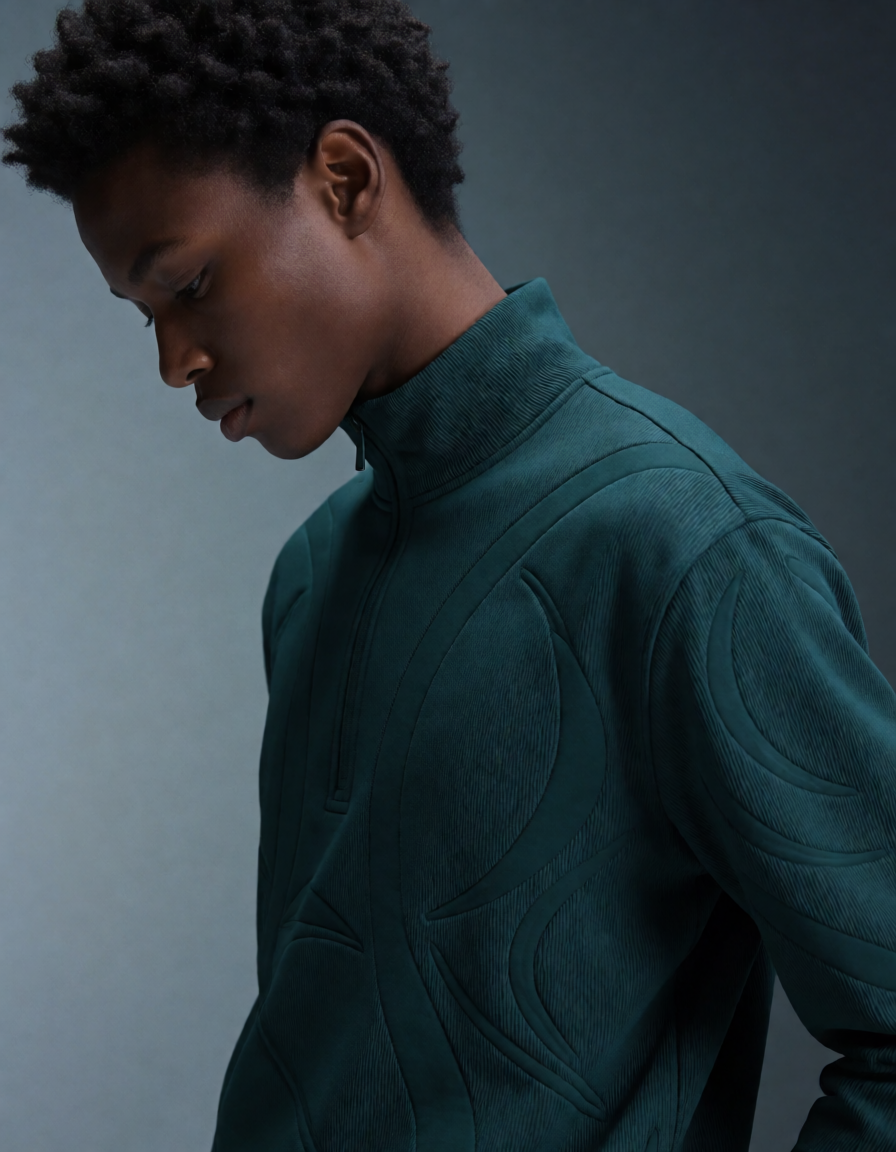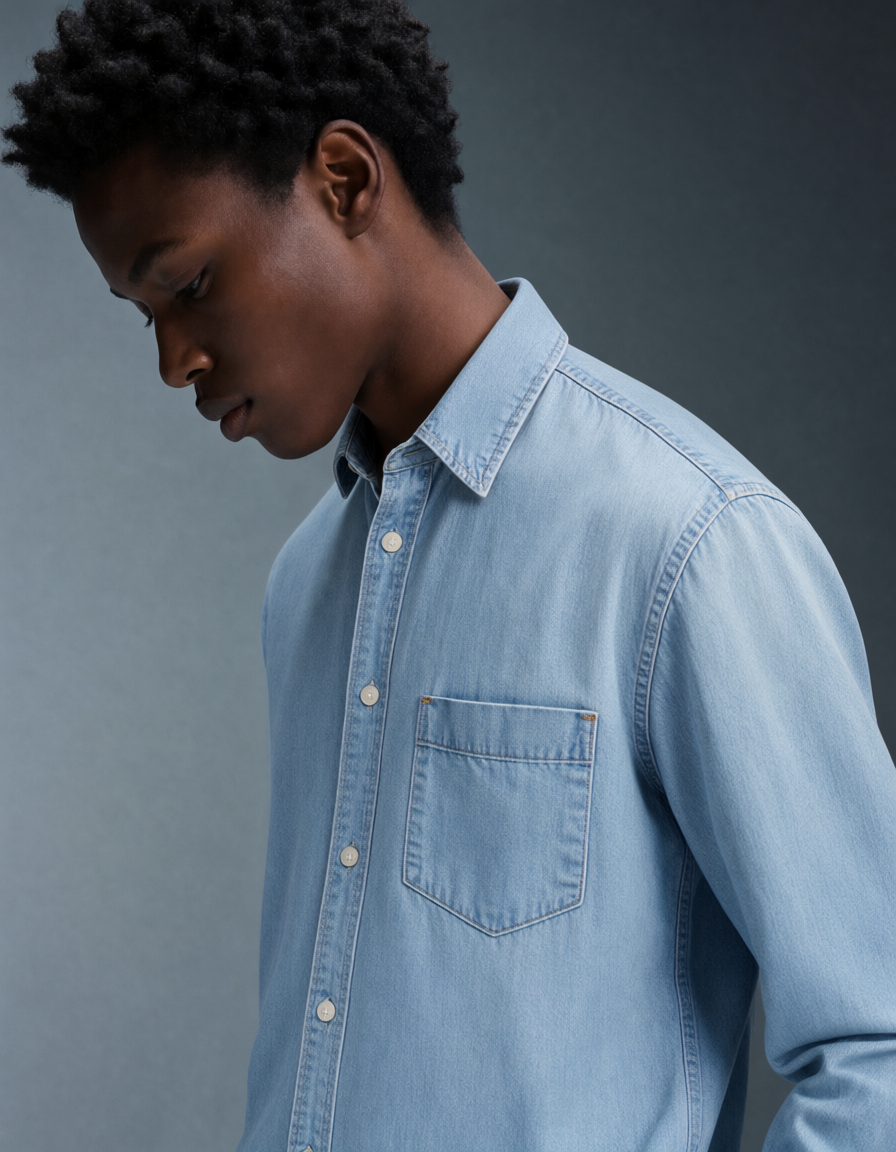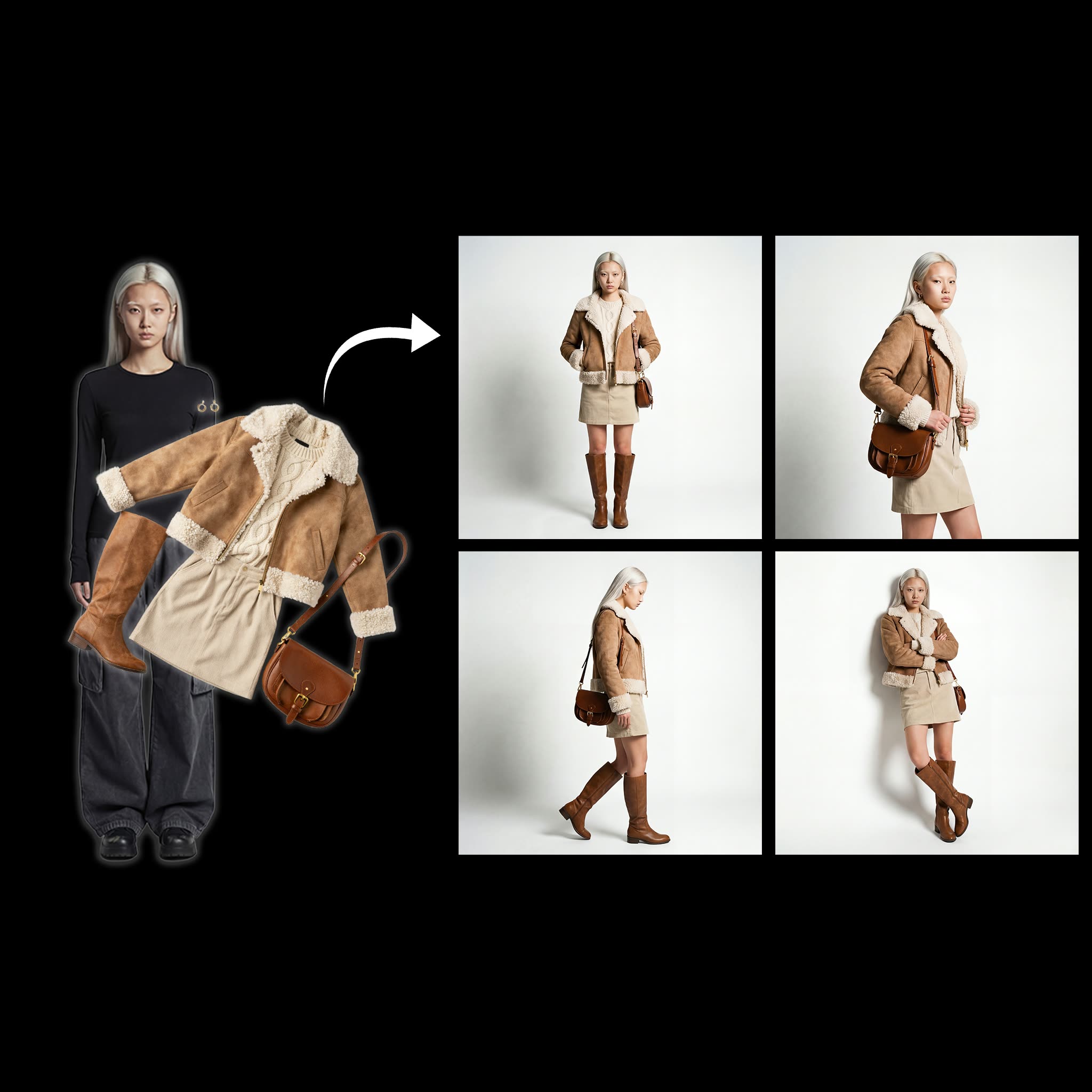
This workflow builds a fast, reference-guided virtual try‑on pipeline for characters. You provide two images via LoadImage: a clear character image (face and body framing) and a flat‑lay of the clothing. A prompt entered with PrimitiveStringMultiline describes pose, studio lighting, background, and styling cues. OpenAIGPTImageNodeV2 then generates a batch of four fashion‑editorial variations and arranges them into a 2×2 contact sheet for quick review. PreviewImage shows the grid, and ImageCompare can be used to examine differences side‑by‑side.
Under the hood, the same references (character and clothing) drive both the initial batch and the upscale path to preserve facial identity and outfit details. A utility node (663da6e9-8b62-4291-a9d6-e4b8fd672197) in this graph is wired to handle the 2×2 grid output and crop it back into four 1K (approx. 1024×1024) tiles. You select one tile with ImageFromBatch by setting batch_index (0–3, starting at top‑left) and feed it into the Upscale Selected Image group. The upscale pass uses OpenAIGPTImageNodeV2 again at 2048×2048 while reusing your original references for consistency, then writes results with SaveImage. MarkdownNote and Note nodes in the canvas provide inline reminders and tips.
API
從程式碼使用此工作流
每個 Comfy 工作流都是一個 JSON 圖。下方的 payload 就是此工作流,與 ComfyUI 執行時完全相同 — 你可以從此 URL 取得、放入版本控制,或在 ComfyUI 載入並逐節點執行。
使用 Comfy SDK 以 TypeScript 或 Python 執行。相同程式碼可用於 Comfy Cloud 或你自架的 ComfyUI — 只需更改 base URL。
// Install (beta)
npm i @comfyorg/sdk

// Run this workflow (TypeScript)
import { Comfy } from "@comfyorg/sdk";

const client = new Comfy({ apiKey: "comfyui-..." });
const wf = await client.workflows.fromFile("workflow_api.json");
const job = await client.run(wf);
await job.getOutputs("<output-node-id>")[0].toFile("output.png");
SDK 需使用 API 格式的工作流:請在 ComfyUI 開啟此工作流,並使用 檔案 → 匯出工作流(API)。
常見問題