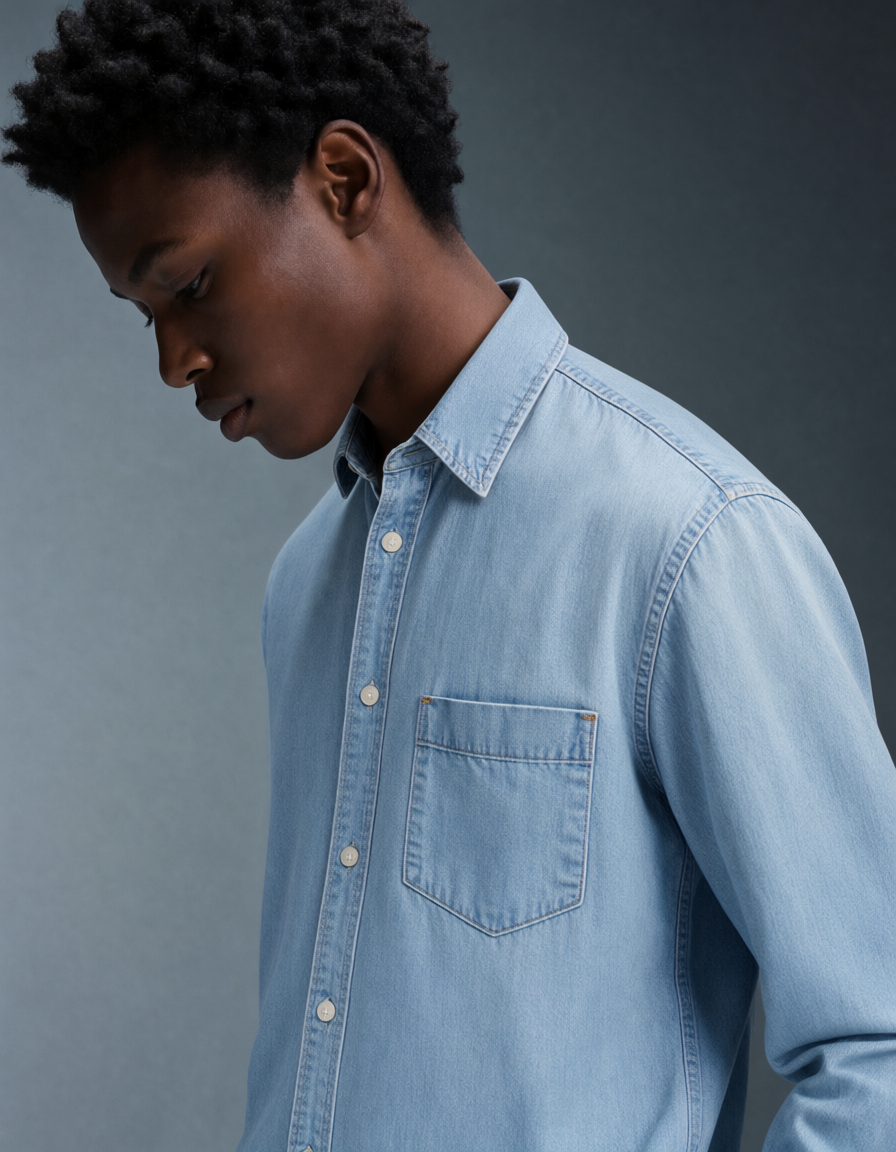
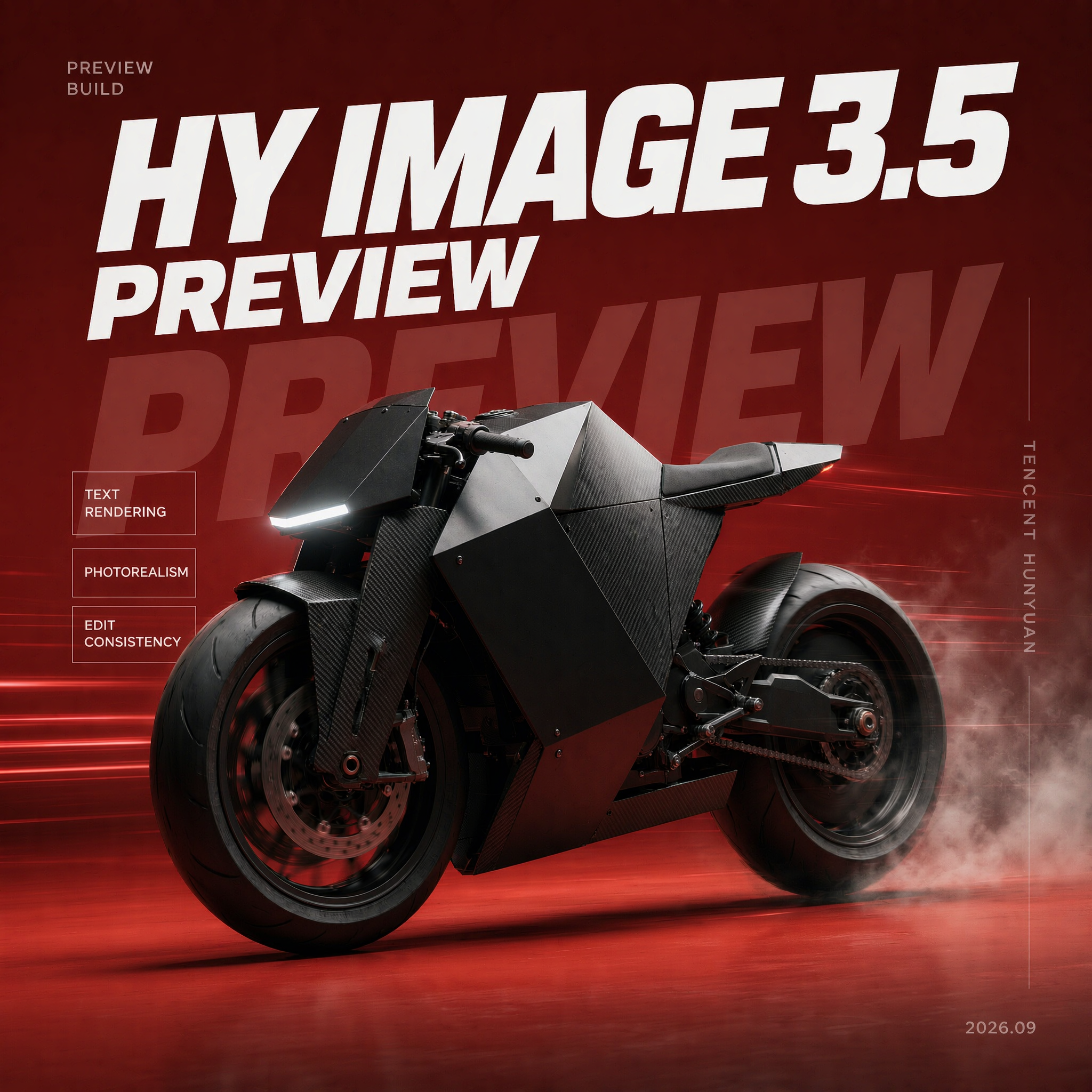
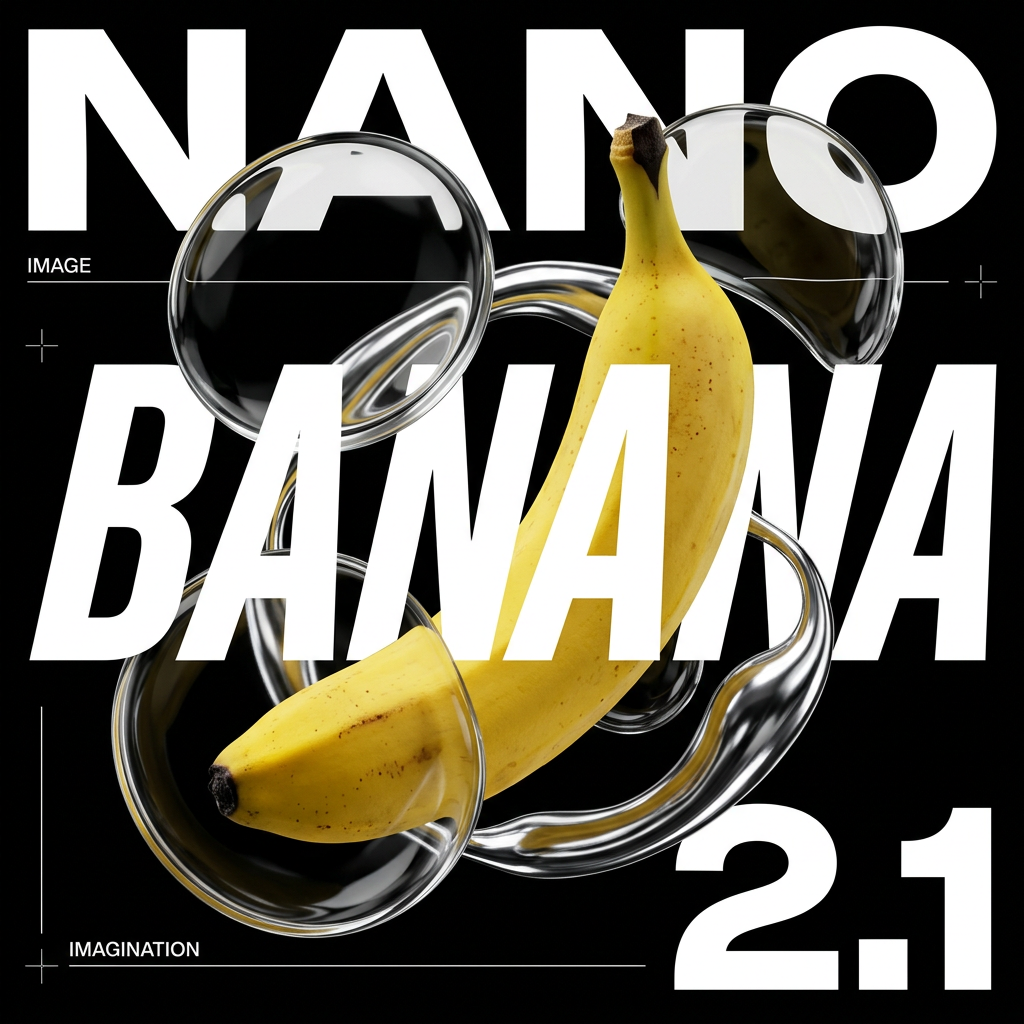
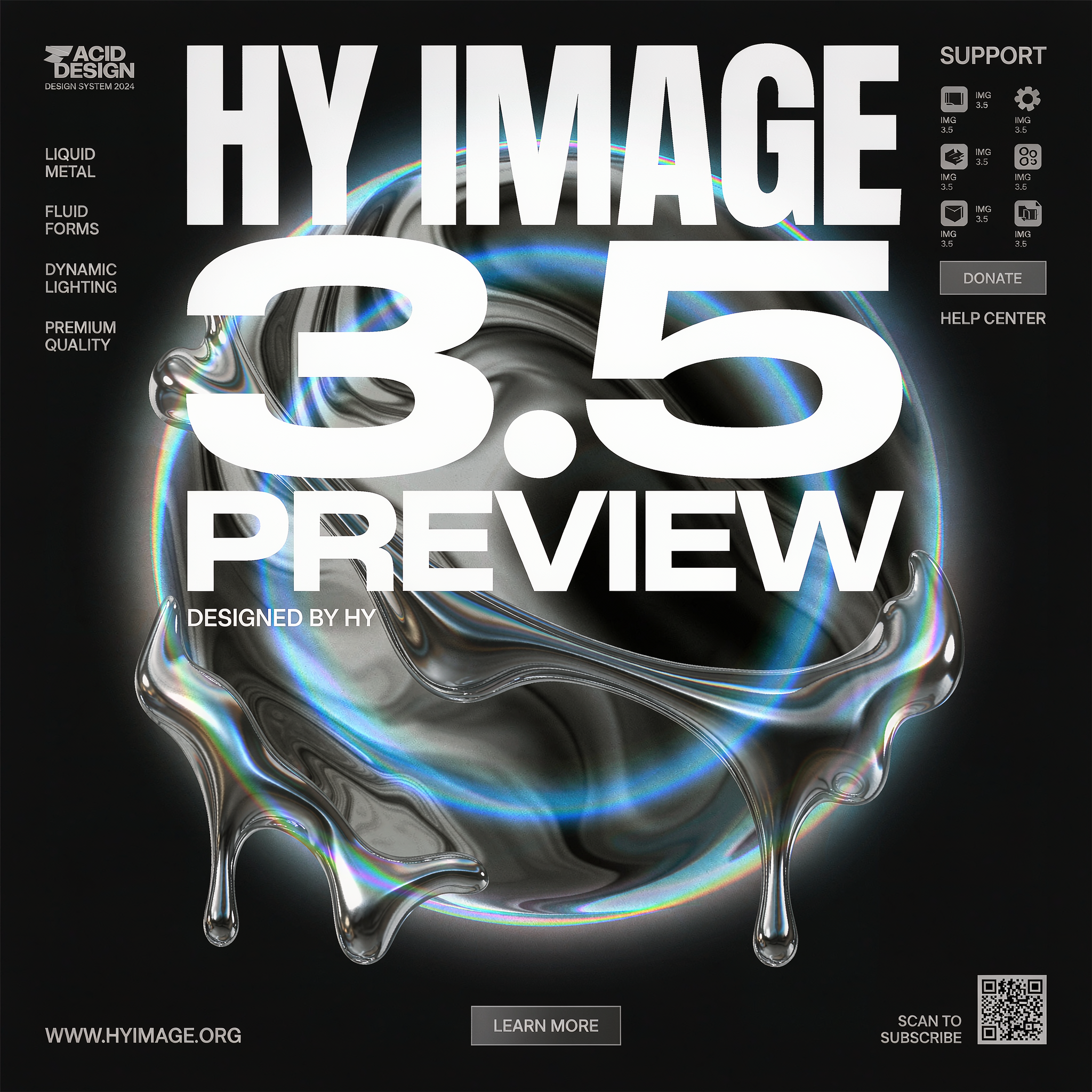
This ComfyUI workflow builds a fast, repeatable contact sheet for fashion editorial concepts by compositing three inputs—your character, a scene/background, and a product—into cohesive images. Three LoadImage nodes bring in your assets, a PrimitiveStringMultiline node holds your creative brief, and a GeminiImage2Node uses the "Nano Banana Pro" model to integrate the images according to your instructions (lighting, mood, styling, composition). Because the model conditions on all three sources plus text, it can harmonize color and lighting while preserving key identity and product details.
Once the GeminiImage2Node produces one or more variations, a BatchImagesNode assembles them into a multi-tile contact sheet for quick side-by-side review. Finally, SaveImage writes the resulting grid (and/or individual frames, depending on how the graph is wired) to your output folder. The result is a practical, iteration-friendly tool: feed it new characters, scenes, or products and quickly compare editorial directions without rebuilding the pipeline.
API
通过代码使用此工作流
每个 Comfy 工作流都是一个 JSON 图。下面的内容就是此工作流的完整数据,ComfyUI 运行时也是如此——你可以从该 URL 获取、放入版本控制,或在 ComfyUI 中加载并逐节点运行。
使用 Comfy SDK 从 TypeScript 或 Python 运行。相同代码可用于 Comfy Cloud 或你自托管的 ComfyUI——只需更改基础 URL。
// Install (beta)
npm i @comfyorg/sdk

// Run "步骤1:样片表工作流" (TypeScript)
import { Comfy } from "@comfyorg/sdk";

const client = new Comfy({ apiKey: "comfyui-..." });

// This workflow, exported in API format (see note below)
const wf = await client.workflows.fromFile("template_contact_sheet-step_1.app_api.json");

const asset = client.assets.fromFile("input.png");
wf.setInput("1", "image", asset);  // LoadImage

const job = await client.run(wf);
await job.getOutputs("4")[0].toFile("output.png");  // SaveImage
SDK 需要 API 格式的工作流:在 ComfyUI 中打开此工作流,使用 文件 → 导出工作流(API)。
常见问题