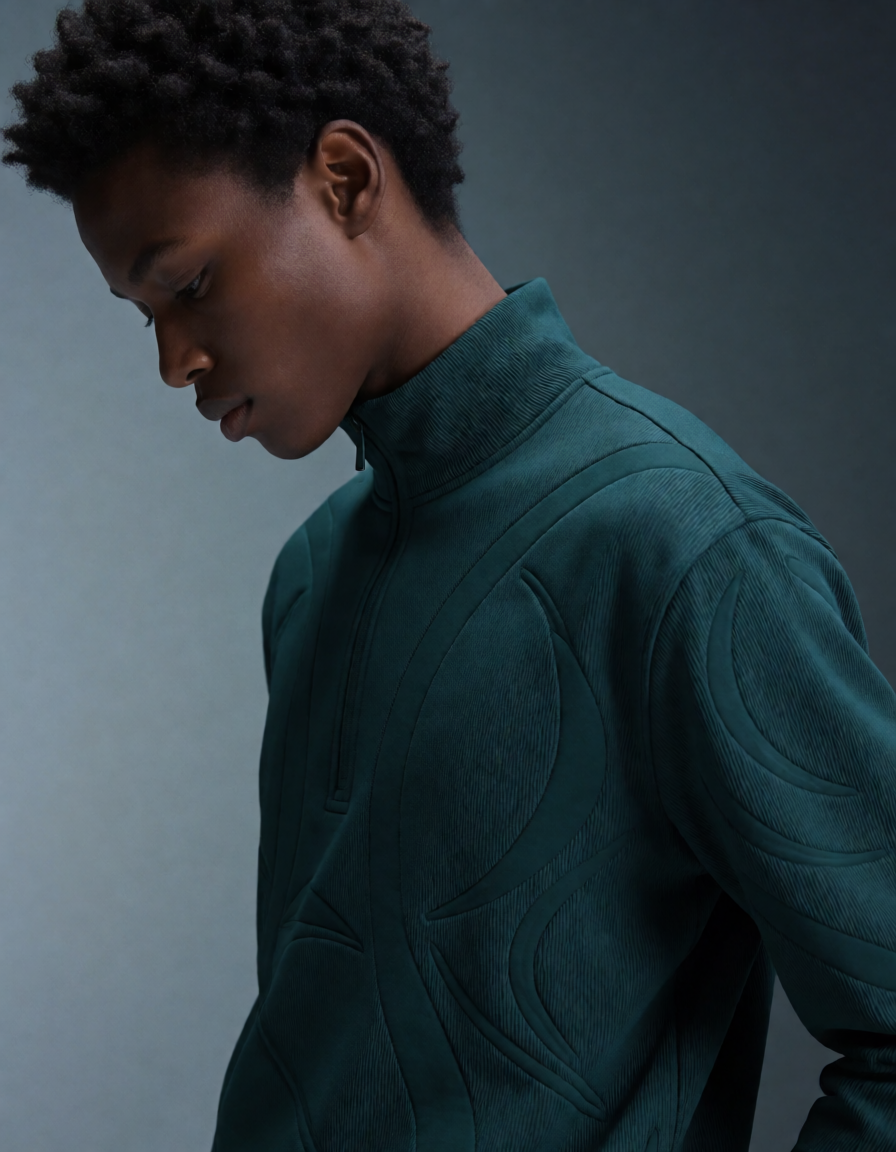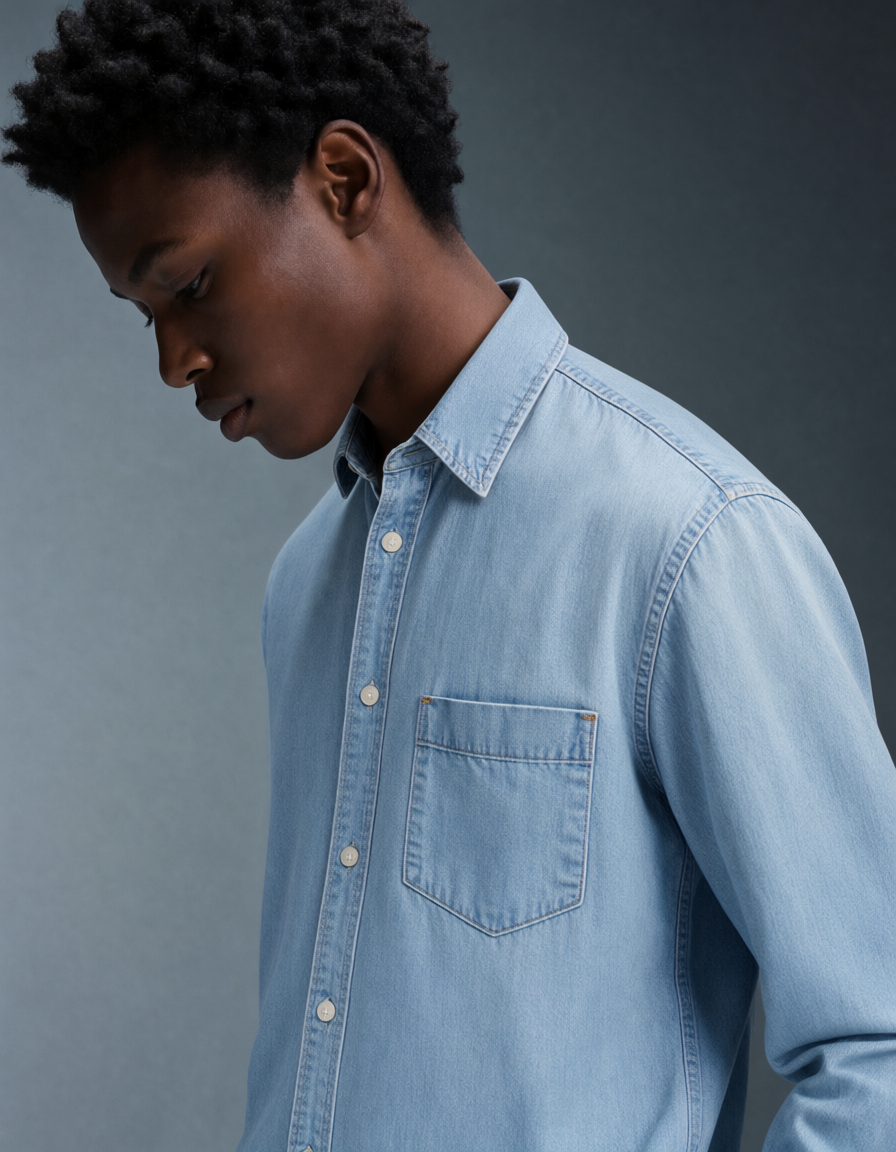

This ComfyUI workflow performs virtual try-on by taking two inputs—a person photo and a garment image—and compositing them into a realistic outfit preview while preserving the subject’s face and pose. The core is the FluxVTONode (FLUX Virtual Try-On model), which receives the Person (LoadImage) and Garment (LoadImage) inputs, then outputs a single try-on result that keeps identity features from the person image and transfers the garment’s texture and shape.
Around the model node, utility nodes make the process practical and reviewable. ImageCompare lets you place the original person image alongside the try-on result for instant before/after inspection, and ImageStitch can assemble a simple contact sheet (e.g., garment, person, and result in one panel). Finally, SaveImage writes the synthesized try-on to disk. The included MarkdownNote summarizes quick-start guidance so you can load images, run the queue, and iterate quickly with minimal configuration.
API
Use this workflow from code
Every Comfy workflow is a JSON graph. The payload below is this workflow, exactly as ComfyUI runs it — fetch it from the URL, keep it in version control, or load it in ComfyUI and run it node by node.
Run it from TypeScript or Python with the Comfy SDK. The same code targets Comfy Cloud or a ComfyUI you host yourself — only the base URL changes.
// Install (beta)
npm i @comfyorg/sdk

// Run this workflow (TypeScript)
import { Comfy } from "@comfyorg/sdk";

const client = new Comfy({ apiKey: "comfyui-..." });
const wf = await client.workflows.fromFile("workflow_api.json");
const job = await client.run(wf);
await job.getOutputs("<output-node-id>")[0].toFile("output.png");
The SDK takes a workflow in API format: open this workflow in ComfyUI and use File → Export Workflow (API).
Comfy Cloud API access requires a plan with an API key.
FAQ