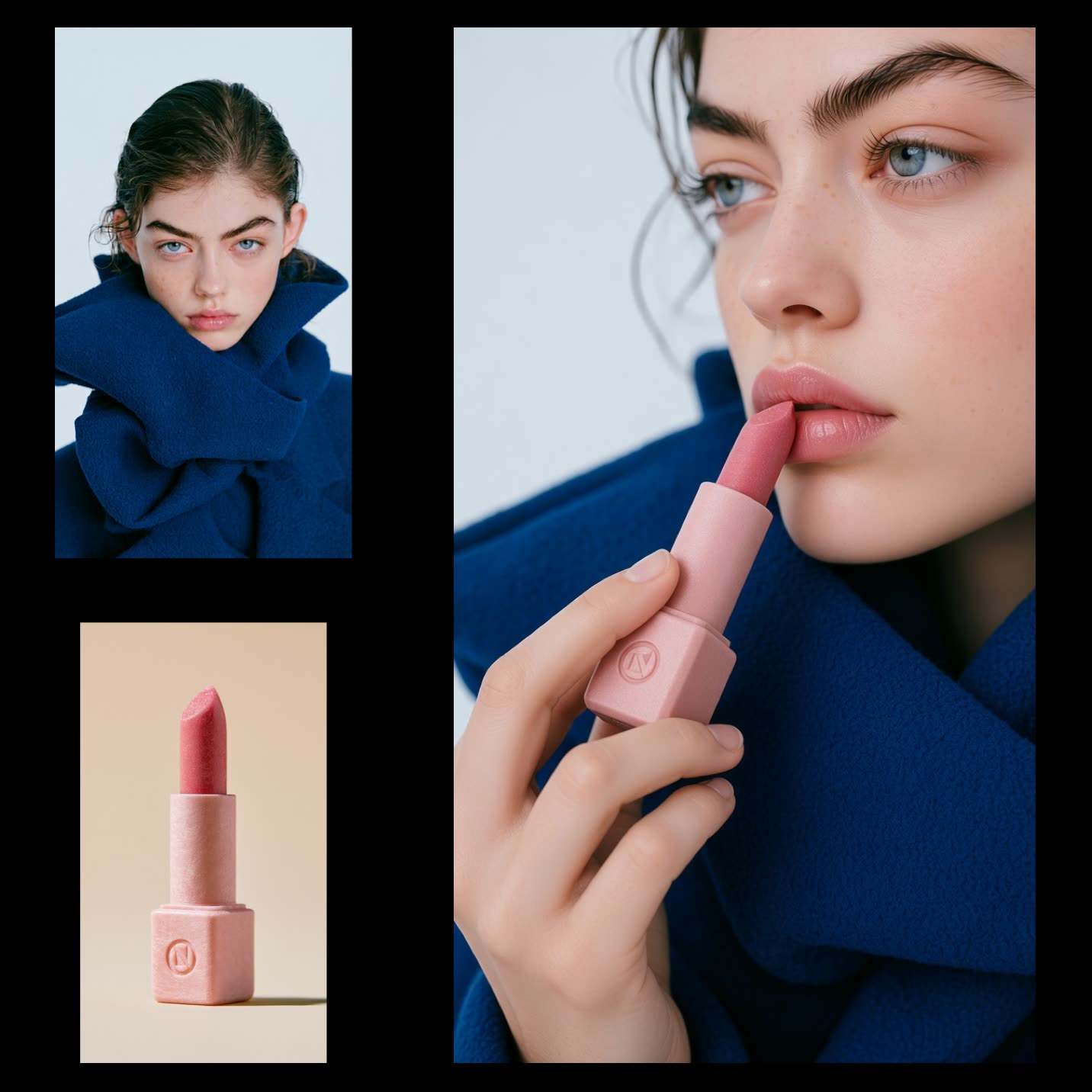
The Kling: Avatar 2.0 workflow is designed to transform a static portrait into a dynamic talking avatar video. By uploading a portrait image and an accompanying audio file, users can generate a video where the avatar's lip movements and facial expressions are synchronized with the audio. This workflow is powered by the Kling model, which specializes in realistic lip-syncing and facial animation. The key nodes in this workflow include the LoadImage and LoadAudio nodes, which are responsible for importing the necessary media files. The KlingAvatarNode processes these inputs to create the animated avatar, and finally, the SaveVideo node exports the completed video file. This workflow is particularly useful for creating engaging video content without the need for complex animation skills.
API
Use this workflow from code
Every Comfy workflow is a JSON graph. The payload below is this workflow, exactly as ComfyUI runs it — fetch it from the URL, keep it in version control, or load it in ComfyUI and run it node by node.
Run it from TypeScript or Python with the Comfy SDK. The same code targets Comfy Cloud or a ComfyUI you host yourself — only the base URL changes.
// Install (beta)
npm i @comfyorg/sdk

// Run this workflow (TypeScript)
import { Comfy } from "@comfyorg/sdk";

const client = new Comfy({ apiKey: "comfyui-..." });
const wf = await client.workflows.fromFile("workflow_api.json");
const job = await client.run(wf);
await job.getOutputs("<output-node-id>")[0].toFile("output.png");
The SDK takes a workflow in API format: open this workflow in ComfyUI and use File → Export Workflow (API).
Comfy Cloud API access requires a plan with an API key.
FAQ