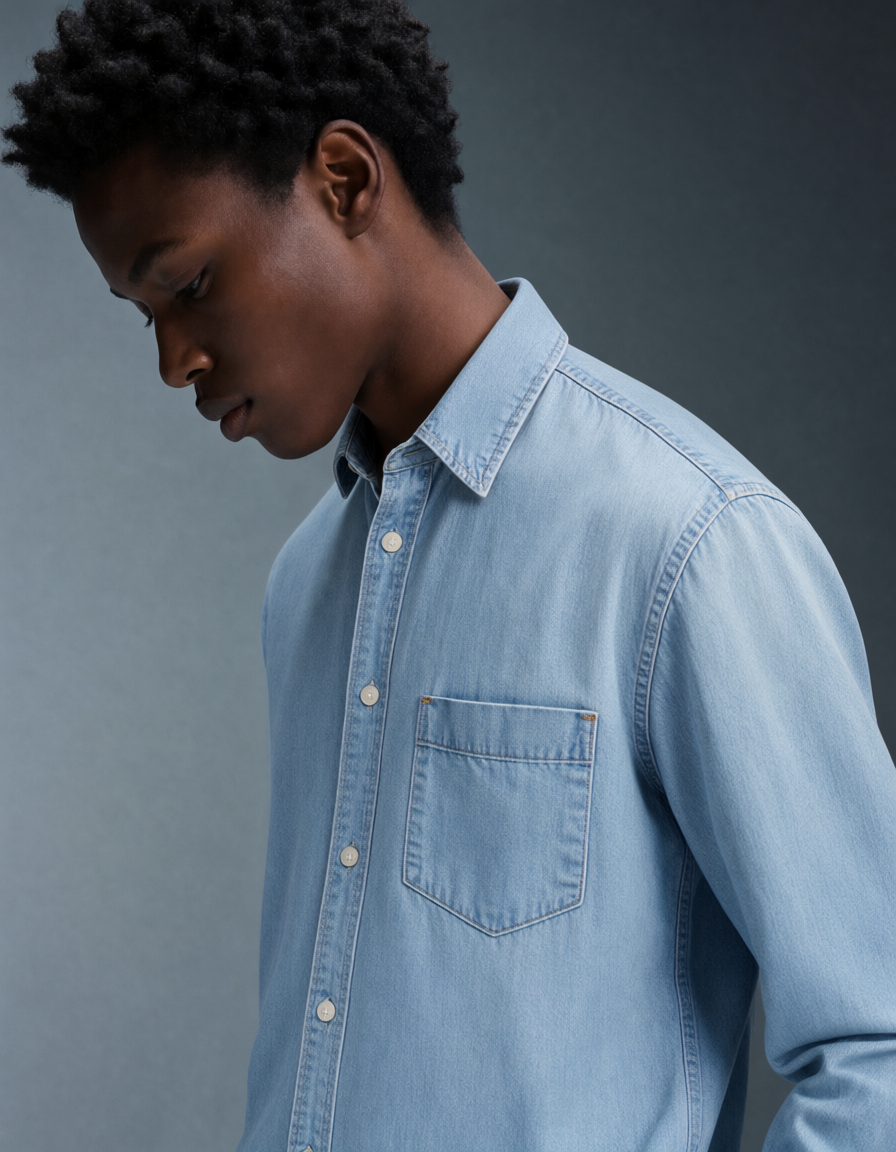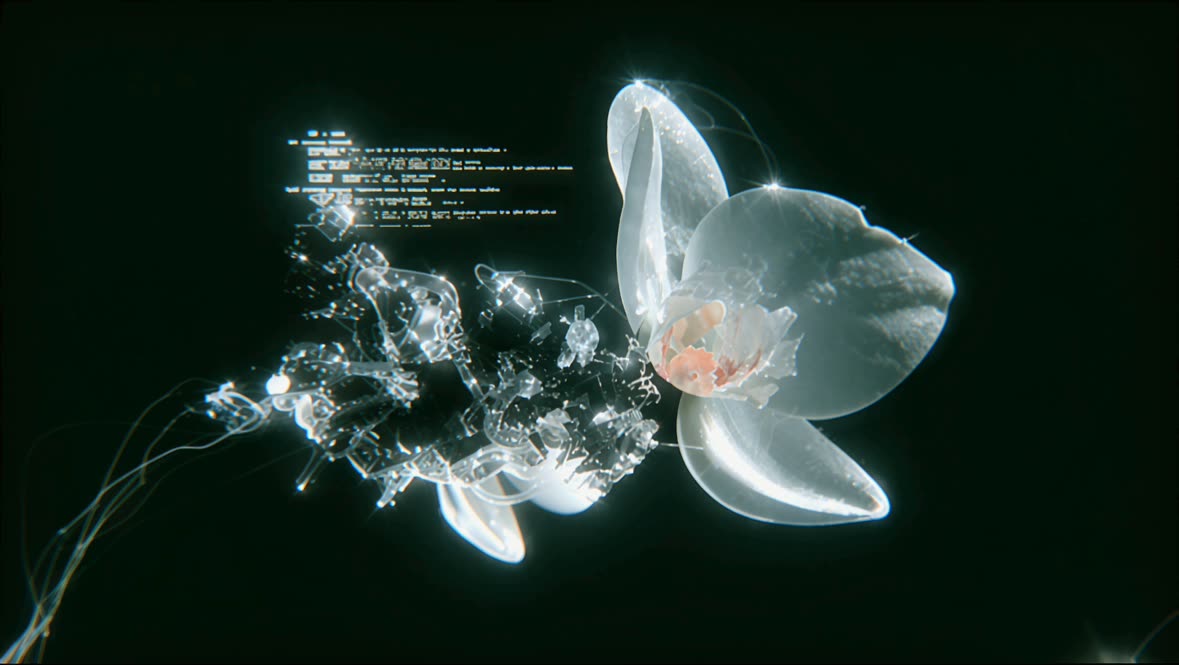
The Noise Injected VideoGen workflow is designed to transform static images into dynamic videos by leveraging noise patterns and AI-generated prompts. This workflow begins with a static image and a mask video that defines the area of noise injection. The process utilizes the 'VHS_LoadVideo' node to load a noise video, which is then combined with the static image using 'VHS_VideoCombine'. The 'AILab_QwenVL' node plays a crucial role in generating AI-driven prompts that guide the transformation process, ensuring that the resulting video is both coherent and visually engaging. The workflow employs 'comfyui-animatediff-evolved' and 'comfyui-frame-interpolation' nodes to enhance the fluidity and realism of the video transitions, making it an excellent tool for creating professional-grade video content from simple images.
API
Use this workflow from code
Every Comfy workflow is a JSON graph. The payload below is this workflow, exactly as ComfyUI runs it — fetch it from the URL, keep it in version control, or load it in ComfyUI and run it node by node.
Run it from TypeScript or Python with the Comfy SDK. The same code targets Comfy Cloud or a ComfyUI you host yourself — only the base URL changes.
// Install (beta)
npm i @comfyorg/sdk

// Run "Noise Injected VideoGen" (TypeScript)
import { Comfy } from "@comfyorg/sdk";

const client = new Comfy({ apiKey: "comfyui-..." });

// This workflow, exported in API format (see note below)
const wf = await client.workflows.fromFile("templates_mjm_Injected_api.json");

const asset = client.assets.fromFile("input.png");
wf.setInput("8", "image", asset);  // LoadImage

wf.setInput("173", "text", "watermark, face, text, signature, blurry");  // CLIPTextEncode

const job = await client.run(wf);
await job.getOutputs("157")[0].toFile("output.png");  // VHS_VideoCombine
The SDK takes a workflow in API format: open this workflow in ComfyUI and use File → Export Workflow (API).
Comfy Cloud API access requires a plan with an API key.
FAQ