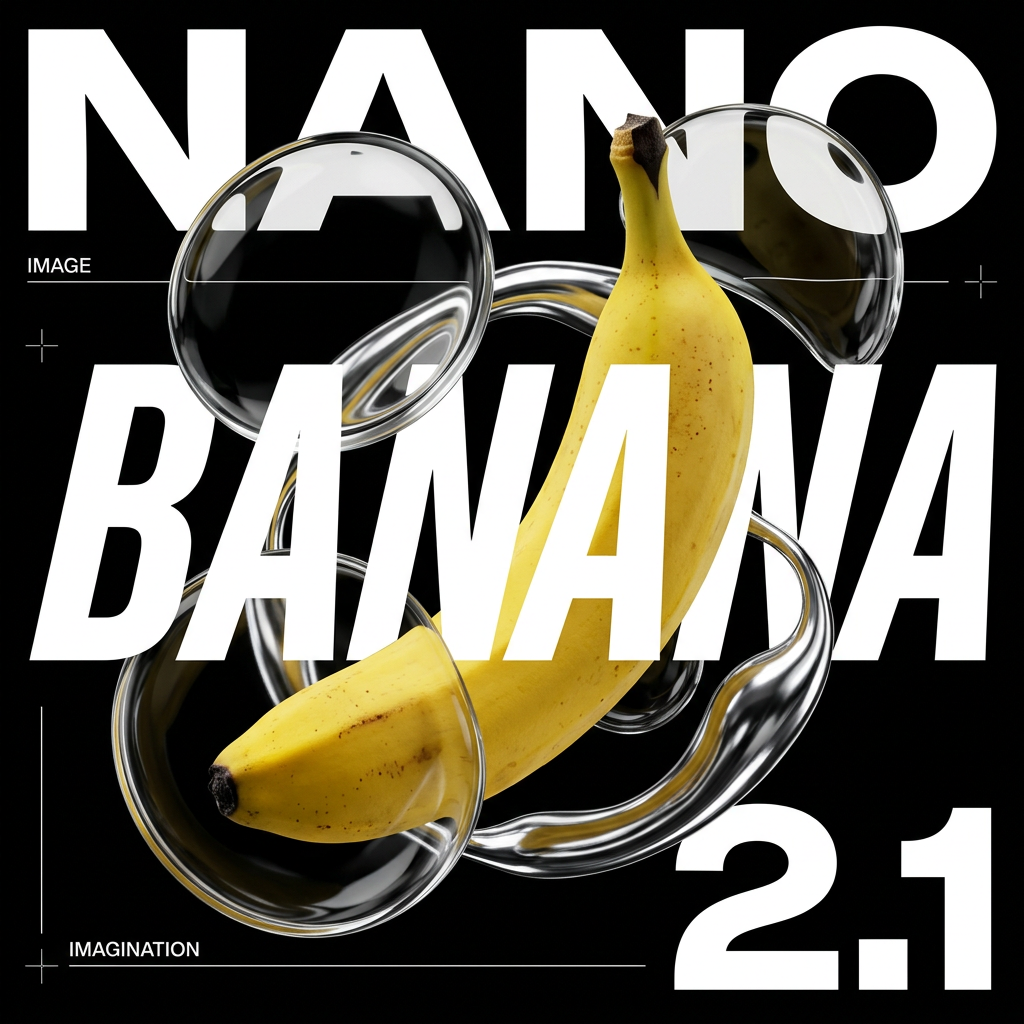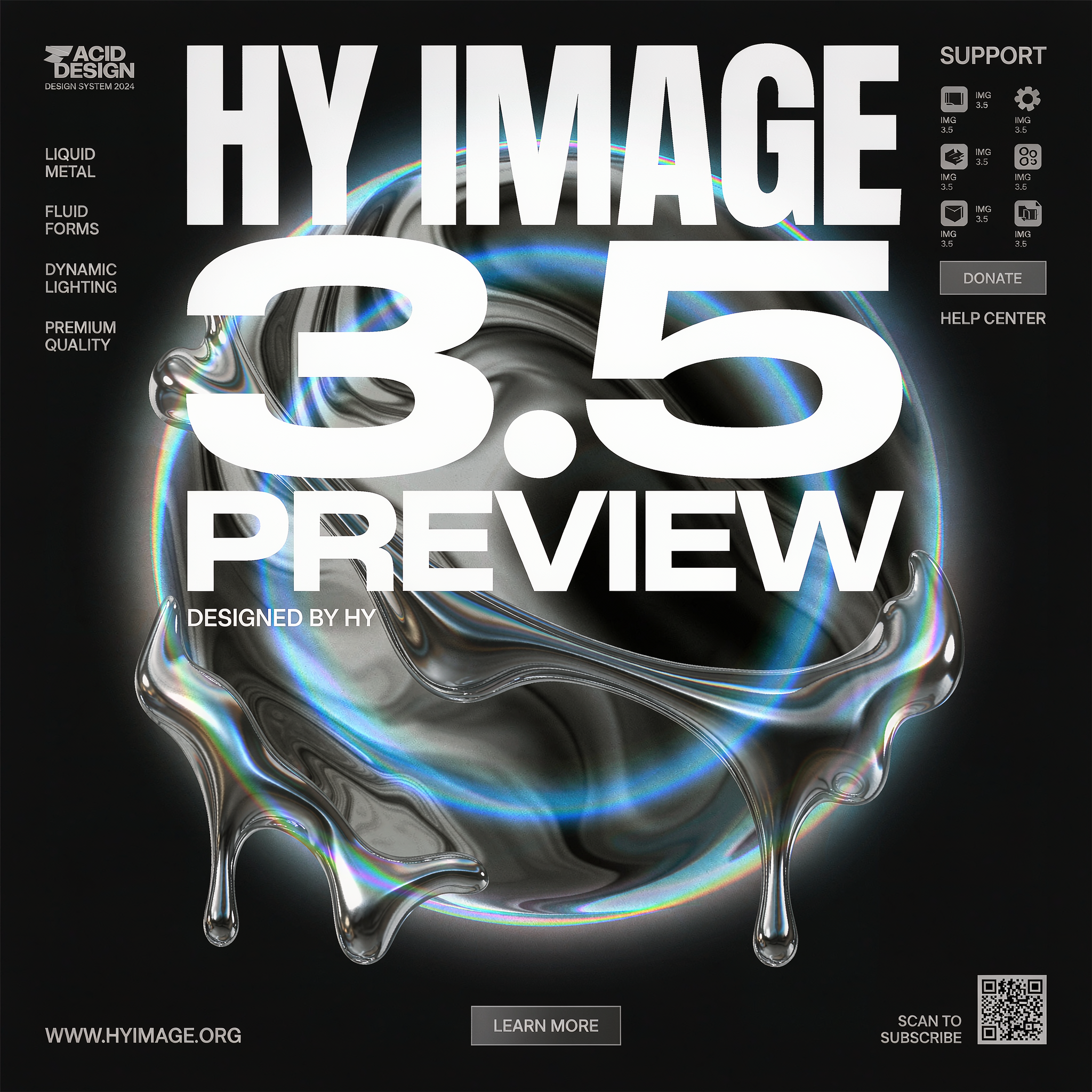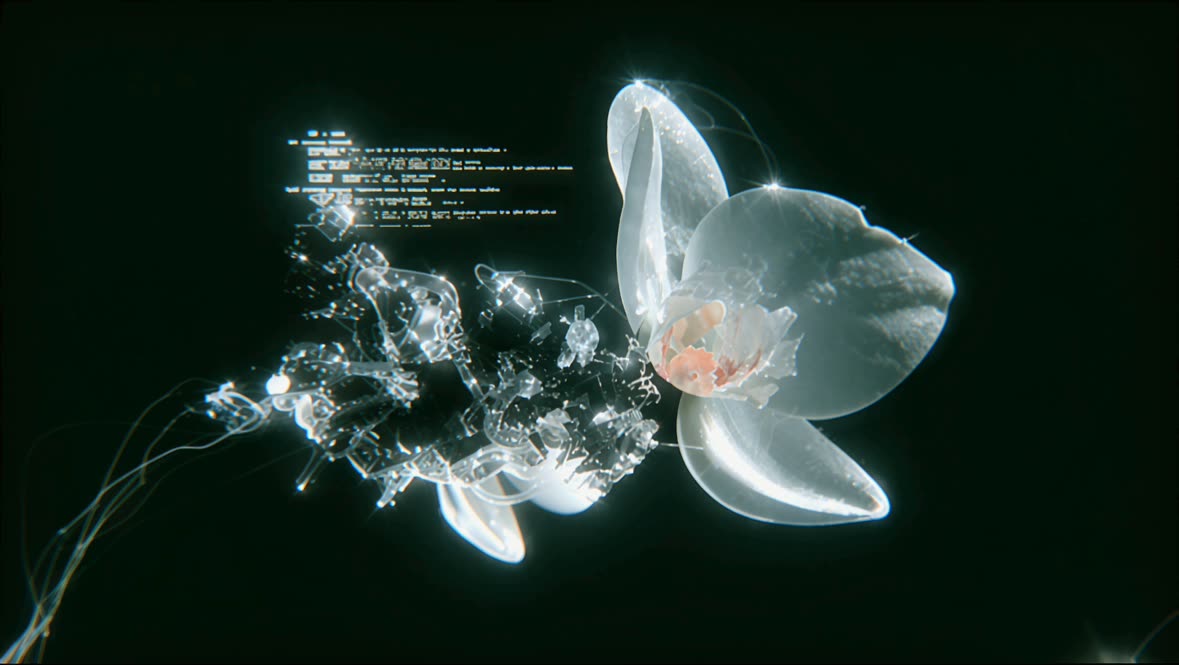
This ComfyUI workflow is designed to compare the capabilities of leading image editing models: Nano Banana 2, Grok, and Qwen-Image-Edit. By providing a single input image, users can generate outputs using each model to observe differences in style transfer and image editing techniques. The workflow leverages nodes such as GeminiImage2Node and GrokImageEditNode to apply distinct editing styles, while ByteDanceSeedreamNode and OpenAIGPTImage1 nodes facilitate additional creative transformations. Key differences include the models' handling of color, texture, and detail, which can significantly affect the final output's aesthetic and fidelity to the original image.
API
Use this workflow from code
Every Comfy workflow is a JSON graph. The payload below is this workflow, exactly as ComfyUI runs it — fetch it from the URL, keep it in version control, or load it in ComfyUI and run it node by node.
Run it from TypeScript or Python with the Comfy SDK. The same code targets Comfy Cloud or a ComfyUI you host yourself — only the base URL changes.
// Install (beta)
npm i @comfyorg/sdk

// Run "1 input and multiple editing model comparison" (TypeScript)
import { Comfy } from "@comfyorg/sdk";

const client = new Comfy({ apiKey: "comfyui-..." });

// This workflow, exported in API format (see note below)
const wf = await client.workflows.fromFile("templates-all_in_one-image_edit_models_api.json");

const asset = client.assets.fromFile("input.png");
wf.setInput("2", "image", asset);  // LoadImage

const job = await client.run(wf);
await job.getOutputs("131")[0].toFile("output.png");  // SaveImage
The SDK takes a workflow in API format: open this workflow in ComfyUI and use File → Export Workflow (API).
Comfy Cloud API access requires a plan with an API key.
FAQ