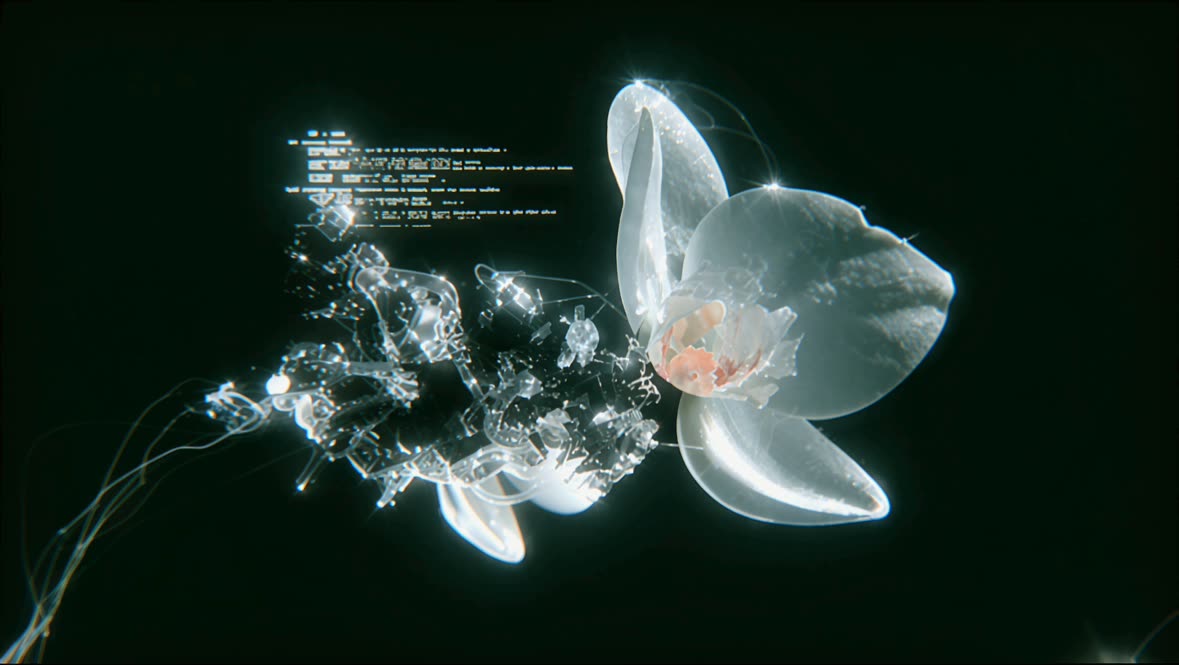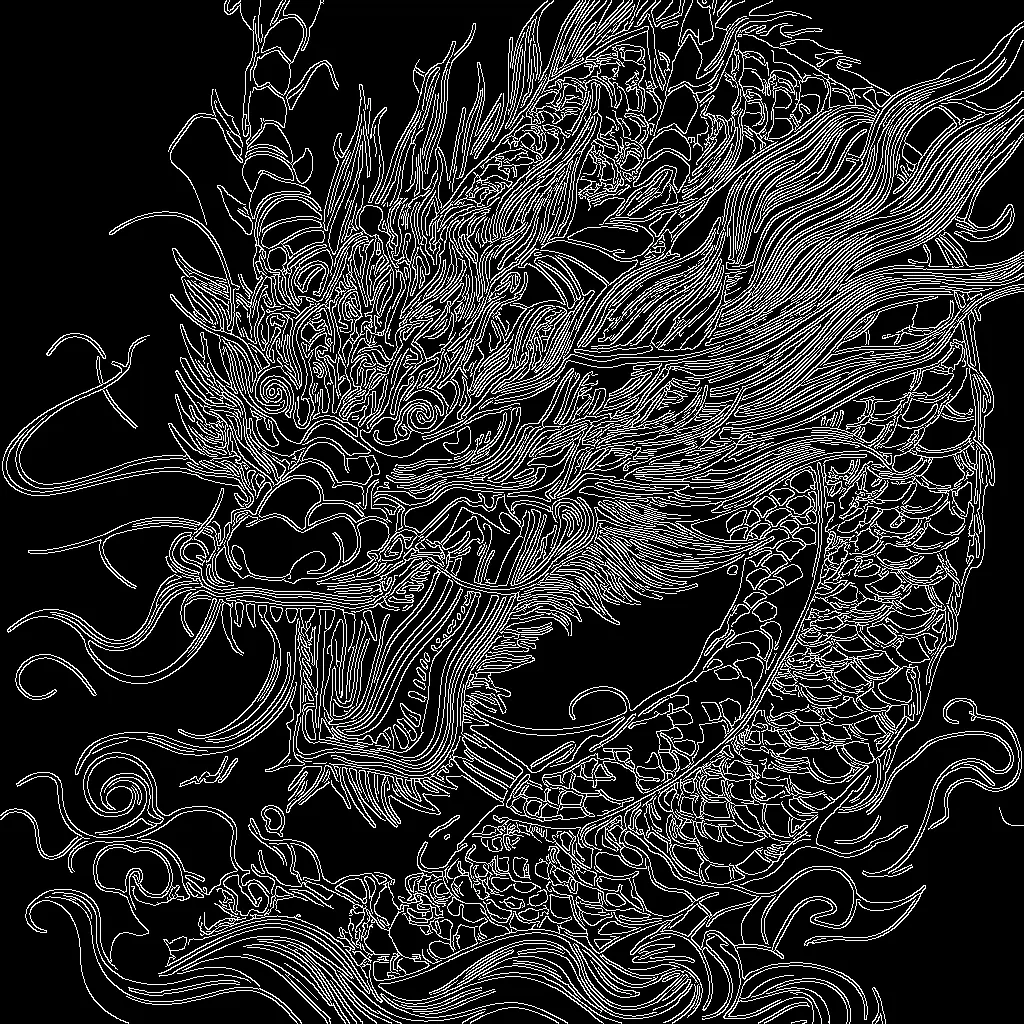

本ComfyUI工作流采用Stability AI的SD 3.5 Large模型和Canny ControlNet,根据输入图像的边缘结构生成新图像。流程包括加载SD 3.5模型(CheckpointLoaderSimple)和Canny ControlNet(ControlNetLoader),用CLIPTextEncode编码文本提示,并通过Canny节点从参考图提取高对比度边缘图。边缘图通过ControlNetApplyAdvanced作为结构约束,指导KSampler在遵循提示词的同时,生成符合轮廓的新内容。
技术上,工作流会在目标分辨率下创建潜空间画布(EmptySD3LatentImage),用正向提示词和ControlNet边缘引导模型,负向提示默认用ConditioningZeroOut清空(如需负向提示,可自行添加CLIPTextEncode)。采样后(KSampler),结果经VAEDecode解码为RGB,PreviewImage预览,SaveImage保存。ImageScale用于将Canny边缘图缩放到输出尺寸,确保对齐。适合需要强构图控制(如保持轮廓、产品外形)的场景,同时让SD 3.5负责细节、质感和风格。
API
通过代码使用此工作流
每个 Comfy 工作流都是一个 JSON 图。下面的内容就是此工作流的完整数据,ComfyUI 运行时也是如此——你可以从该 URL 获取、放入版本控制,或在 ComfyUI 中加载并逐节点运行。
使用 Comfy SDK 从 TypeScript 或 Python 运行。相同代码可用于 Comfy Cloud 或你自托管的 ComfyUI——只需更改基础 URL。
// Install (beta)
npm i @comfyorg/sdk

// Run "SD3.5大型Canny ControlNet" (TypeScript)
import { Comfy } from "@comfyorg/sdk";

const client = new Comfy({ apiKey: "comfyui-..." });

// This workflow, exported in API format (see note below)
const wf = await client.workflows.fromFile("sd3.5_large_canny_controlnet_example_api.json");

const asset = client.assets.fromFile("input.png");
wf.setInput("45", "image", asset);  // LoadImage

wf.setInput("6", "text", "crystal pink dragon on a blue mystery sky, hyperdetailed");  // CLIPTextEncode

const job = await client.run(wf);
await job.getOutputs("9")[0].toFile("output.png");  // SaveImage
SDK 需要 API 格式的工作流:在 ComfyUI 中打开此工作流,使用 文件 → 导出工作流(API)。
常见问题